Daijiworld Media Network - New Delhi
New Delhi, Jan 24: Burning firewood at home during winter is a significant contributor to air pollution and premature deaths, a new study reveals. Published in Science Advances, the research shows that residential wood burning accounts for around 22% of PM2.5 pollution in winter, making it one of the largest sources of fine particulate matter during the cold months.
The study, led by researchers at Northwestern University, estimates that wood-burning pollution is linked to approximately 8,600 premature deaths annually in the US. The team recommends transitioning to cleaner or non-burning home-heating appliances to reduce fine particle emissions and lower the risk of cardiovascular diseases.
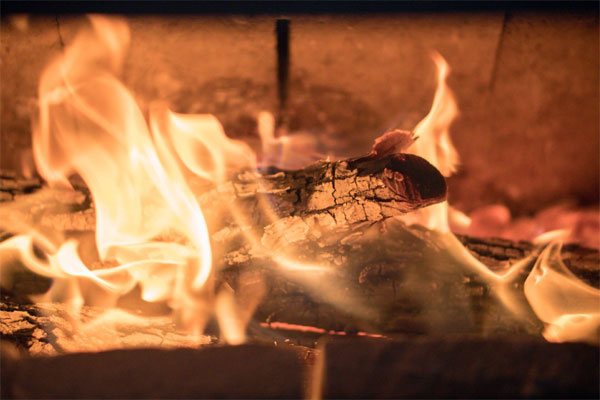
“While wildfire smoke is widely recognized as harmful, we rarely consider the health consequences of burning wood at home for heat,” said Daniel Horton, Associate Professor of Earth and Planetary Sciences. He noted that even though relatively few homes use wood for heating, switching to cleaner alternatives could lead to significant improvements in air quality.
The study examined emissions from wood-burning furnaces, boilers, fireplaces, and stoves, using a high-resolution atmospheric model to simulate pollution movement through wind, weather, terrain, and atmospheric chemistry. Researchers found that wood smoke contributes both primary pollutants, like black carbon, and secondary particulate matter formed through interactions in the atmosphere.
Particulate pollution from wood burning was found to disproportionately affect urban and suburban areas, where population density and atmospheric transport amplify exposure. Smoke from suburbs often drifts into city centers, and even regions not known for wood burning can see spikes during cold snaps or recreational fires.
The findings highlight the need for policy and public awareness to limit home wood burning and promote safer, cleaner heating alternatives to protect public health during winter.