Daijiworld Media Network – Chennai
Chennai, Dec 7: Women living in India’s heat-stressed districts are facing severe and often overlooked health, social, and economic impacts as rising temperatures intensify across the country, a new study by the M S Swaminathan Research Foundation (MSSRF) has revealed.
The study, conducted across seven States, found that 70% of women in high Heat Vulnerability Index (HVI) districts experienced symptoms such as extreme fatigue, dizziness, dehydration, and gastrointestinal discomfort during peak summer months. The impact was found to be significantly higher among women from rural areas, lower castes, poor households, and those engaged in informal labour.
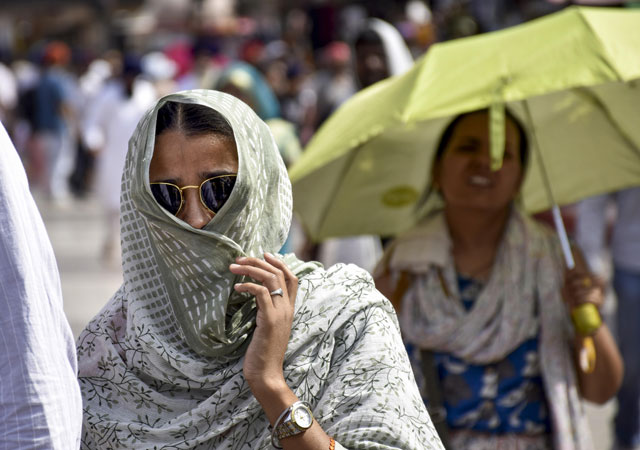
According to the report, women aged 20 to 45 years in high HVI areas reported more physical stress compared to those in medium (28%) and low HVI districts (24%). Reproductive and menstrual health disturbances—including urinary infections, irregular bleeding, and cycle disruptions—were widely reported, though very few sought medical help.
The economic effect was equally stark, with 97% of respondents reporting wage losses of over Rs 1,500 during the scorching months of April, May, and June.
The psychosocial burden of heat was also found to be intense. Women spoke of rising irritability, anxiety, restlessness, and sleep disturbances due to overcrowded homes, power cuts, and long hours of unpaid domestic labour. The survey recorded 41% reporting short temper, 33% heightened anxiety, and 32% experiencing sleep disruptions.
Alarmingly, 38% of women reported experiencing violence at least once, while 72% said the levels of domestic violence increased during the hottest months, indicating a strong link between extreme heat, financial stress, and household tensions.
MSSRF Chairperson Soumya Swaminathan, part of the study group, stressed that gender-focused research on heat stress remains limited. “Women’s experiences are often missing from climate policies and health preparedness strategies. This report shows how extreme heat affects their physical and mental health, productivity, livelihoods, and access to healthcare,” she said.
Researcher Priyadarshini Rajamani explained that National Family Health Survey data was layered with heat maps from the Indian Meteorological Department to identify the most vulnerable districts. The study covered Rajasthan, Gujarat, Maharashtra, Bihar, Odisha, Telangana and Tamil Nadu, with primary surveys conducted among 3,300 women, supported by extensive focus group discussions.
The findings build on earlier research examining the wider impact of climate change on women and children. Dr Swaminathan said the next phase would include cross-sectional and longitudinal studies in four sites across Tamil Nadu and Karnataka next year.
She added that more data is urgently needed to support government policy aimed at protecting women during extreme climate events, including ensuring safe working conditions, access to water, toilets, and healthcare during summer months.