Daijiworld Media Network - Pernem
Pernem, Sep 21: In Goa, a state known for its high per capita income and booming real estate, the body of a 65-year-old man was reportedly left overnight at a crematorium after his impoverished family could not afford firewood for his last rites.
Ashok Vishnu Palyekar, a resident of Deulwada ward in Kasarvarne in Pernem, died on September 13, the eve of Ganesh Chaturthi. His family reportedly struggled to arrange even the basic expenses required to perform his funeral.
Palyekar lived in a small house measuring around 20 square metres, consisting of two rooms and built largely of exposed laterite. He had previously worked in menial jobs at a hotel but lost his livelihood after one of his legs was amputated about two years ago.
His two sisters, both widows living in different villages of Pernem, took turns looking after him. They themselves reportedly depended on a government assistance of Rs 2,000 a month meant for economically weaker people.
On September 13, Palyekar fell ill at his home. A free 108 ambulance service took him to the nearby Kasarvarne health centre, where he was declared brought dead.
According to the report, his death was not entered in the register at the health centre. His sisters later heard that poor people could be cremated free of cost at the Pernem municipal crematorium.
With whatever money they could gather, they hired a vehicle and took their brother’s body to the crematorium. However, when they arrived in the evening, there was no attendant at the facility.
With the Ganesh Chaturthi festival approaching, the crematorium was deserted. The sisters did not have enough money to purchase firewood, nor could they afford to transport the body back home or to another cremation facility.
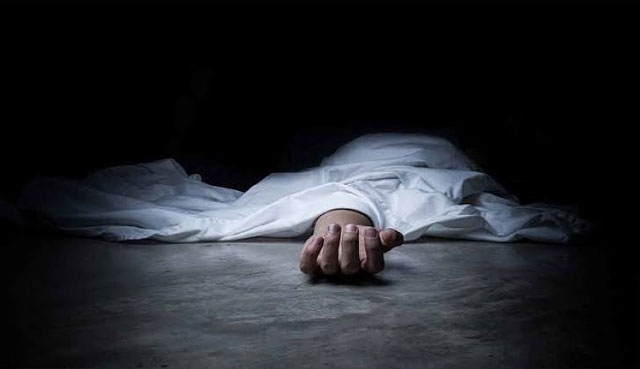
They eventually left the body at the crematorium, according to the report. Police later concluded that the family had not abandoned Palyekar out of neglect but had been left with no means to conduct his final rites.
The following morning, police discovered the decomposing body and initially suspected that it could be that of a homeless or unidentified person.
Pernem police sub-inspector Aditya Gad traced the body to Palyekar’s home in Kasarvarne and subsequently located his sisters.
A neighbour told the report that Palyekar had worked in a hotel doing menial jobs before his leg was amputated. The family had long lived in poverty. About a decade ago, his brother, who worked as a truck driver in the mining sector, constructed the small laterite house, but died soon afterwards, leaving the family struggling financially.
After losing his leg, Palyekar depended on his sisters and moved between their homes with the help of crutches.
Police later handed the body over to the family without conducting a postmortem. Gad said the family was extremely poor and could not afford even the firewood required for the cremation.
Members of the extended family eventually pooled money and transported Palyekar’s body to the St Inez crematorium in Panaji, where his last rites were performed.
Pernem police inspector Nitin Halarnkar said such an incident should not have occurred in Goa and that every person has the right to a dignified final farewell.
The incident has highlighted the difficulties faced by extremely poor families in accessing even basic funeral services, raising questions about the availability and implementation of assistance for indigent persons in the state.