Daijiworld Media Network – Mumbai
Mumbai, Jul 22: Many women follow healthy diets and exercise regularly but continue to struggle with stubborn belly fat. While this is often blamed on poor lifestyle habits, health experts say the reasons are far more complex, with hormones, pregnancy, chronic stress and ageing all playing a significant role.
According to Dr Neha Shah, weight loss specialist and co-founder of The Good Weight, simply cutting calories may not be enough, as fat stored around the abdomen is often influenced by biological and hormonal factors rather than diet alone.
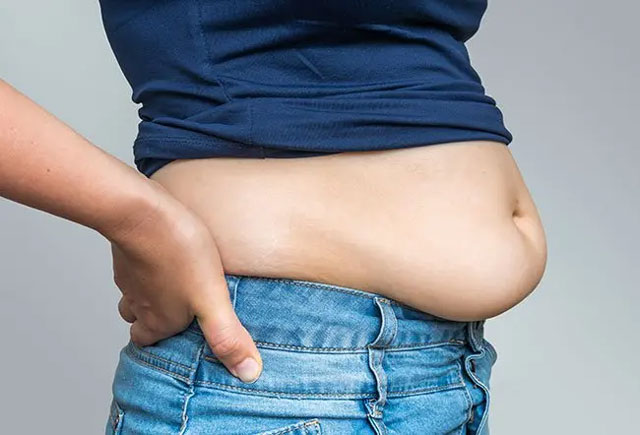
Dr Shah explains that fat distribution naturally changes during different stages of a woman's life. During the reproductive years, higher oestrogen levels encourage fat storage around the hips and thighs. However, as oestrogen levels begin to decline in the 40s, fat storage gradually shifts towards the abdomen, causing many women to notice an expanding waistline even if their body weight remains unchanged.
Pregnancy can also leave lasting changes. Many women experience a persistent "mummy tummy" due to diastasis recti, a condition in which the abdominal muscles separate during pregnancy and may not fully heal after childbirth. In such cases, the protruding abdomen is often caused by weakened muscles rather than excess fat. Dr Shah advises women to seek assessment from a doctor or women's health physiotherapist before beginning abdominal exercises, as conventional sit-ups or crunches may worsen the condition.
Stress is another major contributor. Elevated levels of cortisol, the body's stress hormone, encourage fat storage around the abdomen. Long-term pressures such as work, childcare, household responsibilities and caring for elderly family members can keep cortisol levels high, making it more difficult to reduce belly fat despite regular exercise and healthy eating.
To address abdominal fat effectively, Dr Shah recommends progressive resistance training, particularly for women approaching menopause, as it helps preserve muscle mass and improves metabolism. She also advises consuming 1.2 to 1.5 grams of protein per kilogram of ideal body weight daily to support muscle maintenance, improve satiety and regulate blood sugar levels.
Adequate sleep is equally important. Regularly getting seven to eight hours of sleep helps regulate cortisol and appetite hormones, while poor sleep can promote fat storage around the midsection.
For women in perimenopause or menopause, Dr Shah suggests discussing hormone health with a doctor. In suitable cases, hormone replacement therapy may help improve insulin sensitivity, preserve lean muscle and reduce abdominal fat accumulation, although treatment should be tailored to individual needs.
Dr Shah emphasises that there is no universal solution for belly fat, as the underlying causes differ from one woman to another. Whether the issue is related to pregnancy, hormonal changes, chronic stress or ageing, identifying the root cause is essential for choosing the most effective treatment approach.