Daijiworld Media Network - Brazil
Brazil, May 12: In a groundbreaking public health experiment, Brazil is deploying lab-bred mosquitoes to combat the rapidly spreading dengue virus, which continues to affect millions across the country.
The initiative involves the mass production of Aedes aegypti mosquitoes infected with a bacterium called Wolbachia. Nicknamed “wolbitos”, these modified mosquitoes are bred in the world’s largest facility of its kind located in Curitiba.
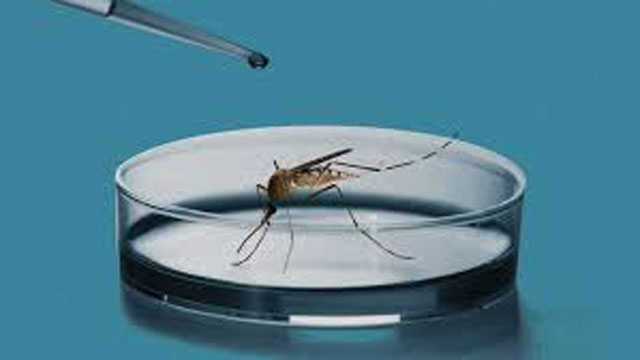
Inside the bio-factory, mosquitoes are raised in controlled conditions, where workers maintain optimal temperatures and feed them a mix of sugar water and warm horse blood. The facility, inaugurated in 2025, is capable of producing up to 100 million mosquito eggs per week. These eggs are packed into capsules and distributed to urban areas, where the mosquitoes hatch and enter the local ecosystem.
Experts say the Wolbachia-infected mosquitoes do not transmit dengue, Zika, or chikungunya. Instead, they gradually outcompete and replace wild mosquitoes that spread these diseases, helping reduce infection rates over time.
According to researchers involved in the project, the method was first developed in Australia in 2008 and has since been introduced in around 15 countries. However, Brazil remains the largest-scale implementation site, with an estimated six million people already protected since trials began in 2011.
Field studies in Brazilian cities such as Niteroi and Campo Grande have shown significant reductions in dengue cases, ranging from 63% to 89%.
Dengue continues to be a major health concern in Brazil, where more than 200 million people remain at risk. The country recorded over 6,000 deaths during a major outbreak in 2024.
Scientists say climate change is also worsening the situation by allowing dengue-carrying mosquitoes to spread into previously colder regions of southern Brazil.
Experts behind the initiative say the current phase marks a critical expansion of the programme, with hopes that large-scale deployment of Wolbachia mosquitoes could significantly reduce mosquito-borne diseases in the coming years.