Daijiworld Media Network - Tehran
Tehran, Mar 29: The ongoing conflict involving the United States, Israel, and Iran has completed one month, with no signs of de-escalation as heavy fighting and airstrikes continue across the region.
Since the conflict escalated on February 28, military operations have intensified steadily, resulting in widespread destruction and rising civilian casualties across West Asia. Analysts warn the situation points toward a prolonged and potentially wider war.
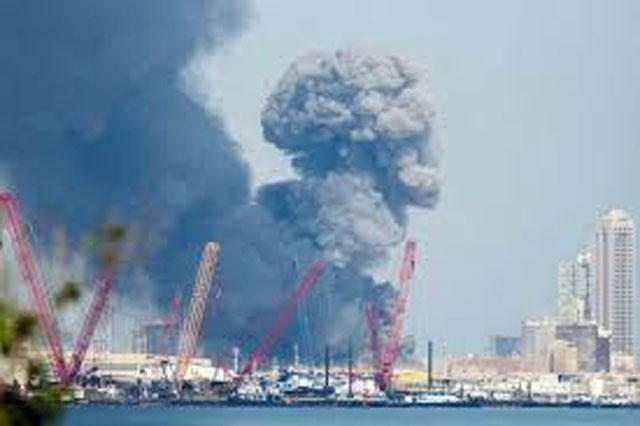
Reports indicate that Washington is preparing for possible ground operations, while tensions remain high around the strategically crucial Strait of Hormuz, where disruptions continue to impact global energy markets.
In the early phase of the conflict, several top Iranian leaders, including Supreme Leader Ali Khamenei, and key military officials were reportedly killed, alongside strikes on major nuclear facilities such as Bushehr and Natanz.
Subsequent weeks witnessed rapid leadership changes within Iran, continued targeting of strategic infrastructure, and escalating military responses from all sides.
On the 30th day of the conflict, fresh US-Israel strikes reportedly hit oil depots in Tehran, including facilities linked to the Islamic Revolutionary Guard Corps, triggering massive explosions and fires.
Despite the scale of destruction and growing humanitarian concerns, there has been no breakthrough on ceasefire efforts, with both sides appearing unwilling to step back.
The prolonged conflict is now beginning to show wider global repercussions, particularly in energy supply chains and geopolitical stability, as fears mount over further escalation in the region.