Daijiworld Media Network - Tehran
Tehran, May 24: Iranian President Masoud Pezeshkian has said that Iran remains deeply cautious in its ongoing negotiations with the United States and is primarily focused on safeguarding national interests amid continued mistrust.
During a meeting with visiting Pakistan Army Chief Asim Munir, Pezeshkian pointed to what he described as repeated breaches of commitments by Washington, along with past attacks on Iran during negotiations and the targeting of Iranian officials, as key reasons for public distrust.
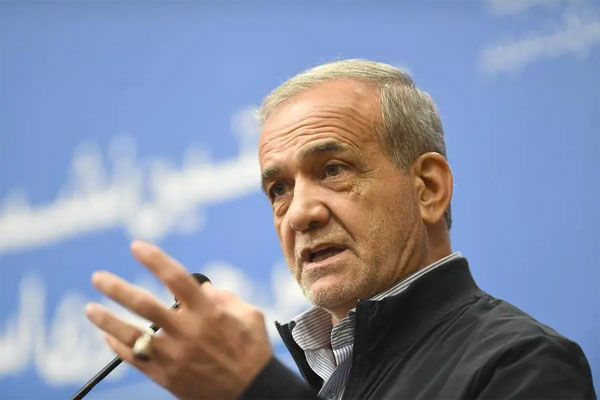
According to a statement from the Iranian presidency, he said Iran has engaged in diplomacy through its “brotherly relations” with friendly countries, but stressed that its core objective remains protecting the rights and interests of the Iranian people through appropriate diplomatic solutions.
“We merely seek to safeguard our people’s legal and legitimate rights, but our history and experience of negotiating with the United States urge us to exercise utmost caution,” he said, adding that war is not in the interest of any country and only causes widespread regional and global harm.
The Iranian president reiterated that diplomacy must be handled carefully and that past experiences continue to shape Tehran’s approach to negotiations.
Separately, Pakistan Army Chief Asim Munir reaffirmed Islamabad’s commitment to regional stability and expressed hope that ongoing diplomatic efforts would lead to positive outcomes for Iran and neighbouring countries.
Meanwhile, Iran’s semi-official Fars News Agency reported that Tehran believes peace talks could collapse if Washington does not demonstrate sufficient flexibility. According to the report, Iranian negotiating conditions include demands such as the release of frozen Iranian assets prior to any agreement and continued control over strategic waterways like the Strait of Hormuz, along with excluding Iran’s nuclear programme from current discussions.
The report further stated that no negotiations would proceed if key outstanding disagreements remain unresolved.
The diplomatic process follows a ceasefire reached on April 8 between Iran, the United States and Israel after weeks of conflict that began in late February. Subsequent talks held in Islamabad in April failed to produce a breakthrough, though both sides have continued to exchange proposals through intermediaries in recent weeks.