Daijiworld Media Network - Mumbai
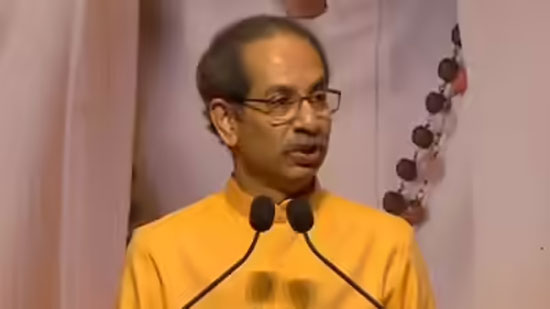
Mumbai, Mar 9: Uddhav Thackeray, chief of Shiv Sena (Uddhav Balasaheb Thackeray), on Monday accused the ruling Bharatiya Janata Party (BJP) of showing concern for the Marathi language only during elections while allegedly ignoring it afterward.
The criticism came after Maharashtra Chief Minister Devendra Fadnavis recently assured the state Assembly that Marathi would remain compulsory in official use across the state, including on death registration certificates and civic receipts.
In an editorial published in the party’s mouthpiece Saamana, the issue of language use at the Ghatkopar Hindu Crematorium was highlighted as an example contradicting the government’s assurances. The editorial claimed that receipts were being issued with Gujarati text, despite regulations that require civic documents to be provided in Marathi and English.
The article questioned who authorised the use of Gujarati on official receipts, arguing that the principle of “Marathi first, then others” should apply in Maharashtra. It also warned that allowing such practices could eventually lead to further changes, including the renaming of railway platforms and streets in Gujarati.
While acknowledging Gujarati as a respected language with a rich literary and artistic heritage in Gujarat, the editorial emphasised that Marathi holds special significance in Maharashtra as the language associated with historic figures such as Chhatrapati Shivaji Maharaj, B. R. Ambedkar and Bal Thackeray. It argued that Marathi must be protected and prioritised within the state.
The editorial further alleged that the BJP had projected itself as a champion of Marathi identity during the civic elections to the Brihanmumbai Municipal Corporation. It claimed that once the election process concluded and a BJP-backed mayor took office, the party abandoned its stance on promoting Marathi.
According to the article, the contrast between promoting Marathi publicly while allowing Gujarati on crematorium receipts reflected hypocrisy. It insisted that Marathi should remain the dominant language in public life in Maharashtra “from birth to death.”
The editorial also raised concerns about what it described as the growing trend of forming exclusive residential colonies based on region or caste while sidelining local Marathi residents in cities such as Pune and Nashik. It criticised the contradiction of celebrating Marathi Language Day or claiming credit for the language receiving classical status while remaining silent on issues affecting its everyday use.
Additionally, it questioned whether sections of the Gujarati community in the state would prioritise the interests of Maharashtra or corporate considerations. The article warned that any attempt to undermine Marathi through financial influence or political power would face strong resistance.
The editorial concluded by saying that the issue was not limited to the use of Gujarati on crematorium receipts but reflected a broader concern about protecting Marathi identity and heritage. It cautioned that if such developments were not addressed now, symbols associated with Maharashtra’s history — including landmarks like the Gateway of India and Hutatma Chowk — could eventually come under threat.