Daijiworld Media Network - Tehran
Tehran, Feb 26: Governments around the world have begun urging their citizens to leave Iran and nearby countries as tensions escalate between Washington and Tehran, prompting airlines to scale back flights in the region.
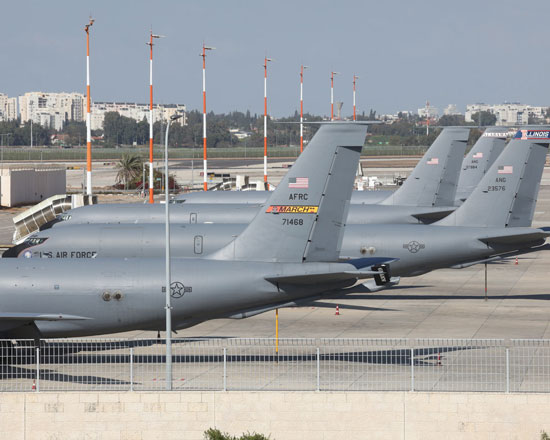
The move comes as critical talks over Iran’s nuclear programme are set to begin, accompanied by a significant US military buildup in the Middle East. The Trump administration has warned of “drastic consequences” if Iranian negotiators fail to make meaningful concessions on nuclear restrictions and missile programmes.
Australia has instructed dependants of its diplomats in Israel and Lebanon to depart, while also offering voluntary departures for families of staff in the United Arab Emirates, Qatar, and Jordan. The Australian foreign ministry cited a “deteriorating security situation” as the reason for the advisories.
Earlier this week, the United States pulled non-essential personnel and eligible family members from its embassy in Lebanon, highlighting concerns over the “security environment” in the region. US officials, including Vice President JD Vance and Secretary of State Marco Rubio, have reiterated that Iran must not develop nuclear weapons and that its refusal to discuss ballistic missiles poses a major challenge.
Iran, in response, has denied claims of advancing a nuclear weapons programme and described US statements as “big lies,” while expressing hope that negotiations may lead to an agreement.
Heightened fears of military conflict have already prompted airlines to suspend operations over the region. KLM, for instance, announced temporary suspension of flights between Amsterdam and Tel Aviv, citing operational challenges.
In addition to Australia and the US, several countries—including Cyprus, Germany, India, Poland, Serbia, and Sweden—have advised their nationals in Iran to leave, while Singapore has urged travelers to defer visits. Brazil had earlier recommended its citizens leave Iran and Lebanon due to similar concerns.
The advisories underscore growing international apprehension over potential conflict in the Middle East, as nations take precautionary measures to safeguard citizens amid rising geopolitical tensions.