Daijiworld Media Network - Tehran
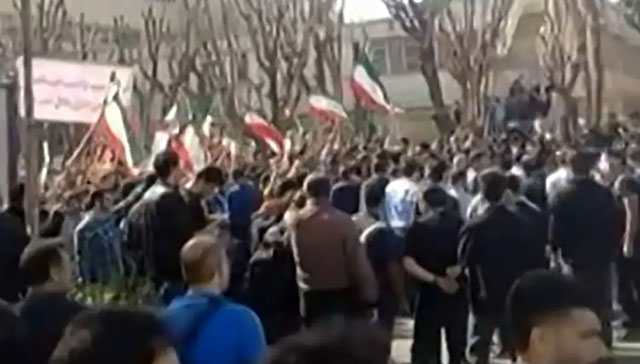
Tehran, Feb 23: Iranian students held fresh pro- and anti-government rallies on Sunday to commemorate those killed in recent protests, even as fears mounted of renewed conflict with the United States over Tehran’s nuclear programme.
The unrest was initially triggered in December by economic hardship in sanctions-hit Iran, but quickly escalated into widespread anti-government protests, posing one of the most significant challenges to the Islamic republic’s clerical leadership in recent years.
US President Donald Trump had earlier voiced support for protesters and warned of intervention amid a deadly crackdown by Iranian authorities. However, his focus later shifted to Iran’s nuclear ambitions, which Western nations suspect are aimed at developing atomic weapons.
While Washington and Tehran have returned to negotiations, the US has also strengthened its military presence in the Middle East in a bid to pressure Iran into reaching a deal.
Iran’s Fars news agency reported fresh gatherings at universities in Tehran, including at Sharif University of Technology, where students were seen waving Iranian flags and carrying photographs of those killed during the protests. Videos circulating online showed tensions between rival groups, with security personnel positioned between them.
Authorities have acknowledged more than 3,000 deaths during the unrest, including security personnel and civilians, attributing the violence to “terrorist acts” backed by foreign enemies. However, the US-based Human Rights Activists News Agency (HRANA) has reported over 7,000 deaths, mostly protesters, though the actual toll remains contested.
Recent diplomatic efforts saw representatives from both countries meet in Geneva for Oman-mediated nuclear talks. Iran has reportedly agreed to submit a draft proposal aimed at preventing military escalation. According to US media reports, Washington is prepared to resume detailed negotiations if Tehran presents its proposal promptly.
The US has deployed two aircraft carriers and additional military assets to the region, reinforcing its air defences. Trump’s Middle East envoy Steve Witkoff recently questioned why Iran had not yielded under mounting pressure.
Iran continues to deny pursuing nuclear weapons, asserting its right to enrich uranium for civilian purposes. A previous diplomatic round was disrupted last year by an Israeli bombing campaign, which led to a brief 12-day conflict involving US strikes on Iranian nuclear facilities.
Amid the ongoing tensions, anxiety among ordinary Iranians has deepened. Several countries, including Sweden, Serbia, Poland and Australia, have advised their citizens to consider leaving Iran, warning that the security situation could deteriorate rapidly.
Despite renewed talks, concerns over the possibility of another conflict continue to cast a shadow over the region.