Daijiworld Media Network – New Delhi
New Delhi, Feb 17: Prescriptions of glucagon-like peptide-1 receptor agonists (GLP-1RAs) are associated with a reduced risk of aneurysmal rupture in patients with type 2 diabetes and unruptured intracranial aneurysms, according to a 2026 retrospective cohort study.
Subarachnoid haemorrhage (SAH) most commonly occurs following the rupture of an intracranial aneurysm, an event linked to substantial morbidity and mortality. Intracranial aneurysms are estimated to occur in up to 3% of the population. Inflammation is known to play a central role in aneurysm formation, growth and eventual rupture.
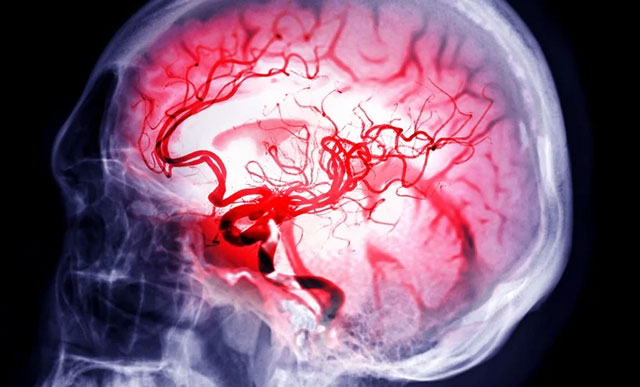
Because GLP-1 receptor agonists have established anti-inflammatory and antihypertensive properties, researchers have begun investigating their potential role in reducing the risk of nontraumatic SAH in patients with unruptured aneurysms.
The study analysed more than 24,700 patients with type 2 diabetes and unruptured intracranial aneurysms between 2008 and 2025. Of these, more than 3,100 had been prescribed GLP-1RAs, while over 8,000 had not. The findings showed that GLP-1RA prescriptions were associated with a significantly lower risk of nontraumatic SAH at three years, although the protective effect appeared to lessen at five years.
A separate 2026 retrospective cohort study examined data from January 2010 to January 2025 across more than 90 healthcare organisations. After matching, each comparison group included more than 2,200 patients with type 2 diabetes and unruptured aneurysms. In this analysis as well, GLP-1RA use was associated with significantly lower rates of SAH and reduced all-cause mortality at five years.
Both studies were limited by their retrospective design and by the fact that they included only patients engaged with participating healthcare systems, potentially favouring individuals more likely to seek or receive care. The TriNetX database used in the analyses is not fully centralised, and variations in data collection across institutions may have affected completeness and consistency. Events such as SAH or death occurring outside participating hospitals may not have been systematically captured.
The researchers concluded that GLP-1 receptor agonists may offer a potential neuroprotective benefit in reducing nontraumatic subarachnoid haemorrhage risk in patients with type 2 diabetes and unruptured intracranial aneurysms, and called for prospective, controlled trials to further clarify their role in prevention among high-risk populations.