Daijiworld Media Network – Nablus
Nablus, Feb 14: Before he was killed in an Israeli drone strike 18 months ago at the age of 17, Wael Mesheh dreamed of becoming a computer programmer and attending university. But growing up in the crowded lanes of Balata refugee camp in the northern West Bank, he was surrounded by repeated military raids, arrests and the deaths of relatives and friends.
According to his father, Belal, the teenager came to believe that life and death were inseparable under occupation and that sacrificing himself for Palestinian freedom would turn him into what many in his community regard as a “martyr”.
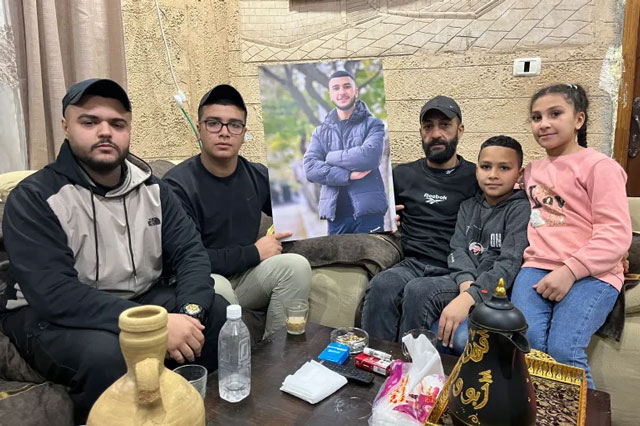
Wael had been imprisoned before turning 17 for allegedly throwing stones at Israeli soldiers. His family says he was assaulted and kept in solitary confinement. After his release in a November 2023 prisoner exchange, he joined the Qassam Brigades, the armed wing of Hamas. He was killed in August 2024 during clashes with Israeli forces near his home in Balata, southeast of Nablus.
Psychologists working in the West Bank say Wael’s story reflects a broader pattern among youth in refugee camps, where trauma, poverty and insecurity shape daily life. Many young residents experience what experts describe as “incessant traumatisation”, with limited access to safe recreational spaces, employment opportunities or mental health care.
The 19 refugee camps in the West Bank were established in 1948 following the creation of Israel and the displacement of hundreds of thousands of Palestinians during the Nakba. Initially intended as temporary shelters, they have evolved into densely populated urban areas marked by high unemployment, overcrowding and food insecurity. The United Nations Relief and Works Agency for Palestine Refugees in the Near East describes conditions in many camps as severe, with limited services and infrastructure.
Balata, the largest camp in the West Bank, houses around 33,000 people within just 0.25 square kilometres. According to UN data, dozens have been killed there since Israel intensified operations in the territory following the October 7 attacks. Walls across the camp display photographs of those killed in clashes, reinforcing narratives of resistance and sacrifice.
Mental health experts warn that most camp residents live with untreated complex post-traumatic stress disorder. The lack of accessible psychological support leaves families struggling with unresolved grief. While the idea of martyrdom is often linked to faith and national identity, clinicians say it can also serve as a coping mechanism in an environment where hardship is constant.
Belal, who himself spent years in prison during his son’s childhood, says he feels both pride and profound grief. He recalls carrying his son’s body to the grave and burying him with his own hands. “Inside, there’s only fire – and pain,” he said.
Families like Wael’s remain caught between mourning and the social recognition accorded to those who die in confrontation. As Israeli military operations continue across the northern West Bank, refugee camps such as Balata remain flashpoints, where cycles of violence and trauma persist, shaping the lives of a new generation.