Daijiworld Media Network – New Delhi
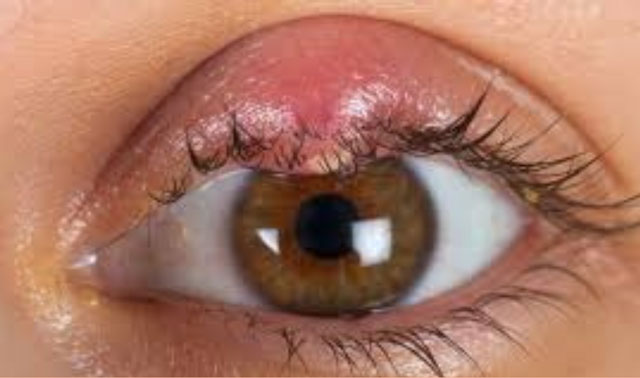
New Delhi, Aug 27: The monsoon brings relief from soaring temperatures, but the damp and humid conditions can also increase the risk of certain eye problems, including painful styes.
Sweat, dust, pollution, allergens and frequent touching or rubbing of the eyes can irritate the delicate eyelid area. Blocked oil glands around the eyelids can then trigger inflammation and infection.
Dr Bhanu Prakash M, senior consultant cataract, cornea and refractive surgeon at Yashoda Hospitals, said humidity itself does not directly cause styes. However, monsoon conditions can make eyelid infections more likely due to increased perspiration, dust and organic debris, as well as contact with contaminated water or shared towels.
Dr Vivek Singh, senior cataract and refractive surgeon at Maxivision Super Speciality Eye Hospital, Kukatpally, said warm and damp conditions can encourage bacterial growth. Sweat around the face and eyes, along with touching the eyes with unclean hands or a damp handkerchief, can transfer germs to the eyelids.
The eyelids contain tiny oil-producing glands that help maintain a stable tear film. Dr Bhanu explained that when these glands become blocked, oil and bacteria can accumulate, potentially leading to inflammation in the form of a stye or chalazion. Poor eyelid hygiene and frequent rubbing can increase the risk.
Monsoon conditions can also expose the eyes to greater amounts of dust, pollution and allergens. This may result in redness, itching and watering. Rubbing itchy eyes can push dust and bacteria further into the sensitive tissues around the eyelids.
People with certain underlying conditions may be more prone to recurring styes. Oily skin and rosacea can lead to thicker gland secretions and blockages, while chronic blepharitis can harbour bacteria around the eyelids. Allergies may also contribute by causing repeated rubbing and inflammation.
If a stye develops, experts strongly advise against squeezing, popping or puncturing it. Such attempts can worsen the infection or spread bacteria into surrounding tissues. Contact lens users should also avoid wearing lenses until the stye has healed, while eye makeup should be avoided during the infection.
Maintaining good hygiene can help reduce the risk during the rainy season. People should wash their hands before touching their eyes, avoid rubbing them and keep the face and eyelids clean. Towels, pillowcases and eye makeup should not be shared, as this can facilitate the spread of infection.
Contact lens users should wash their hands before handling lenses and follow proper cleaning practices. Those experiencing persistent, severe or recurrent eye problems should seek advice from an eye-care professional.
The key message for the monsoon is simple: keeping the hands, face and eyelids clean and avoiding unnecessary eye rubbing can go a long way towards protecting eye health.