Daijiworld Media Network – New Delhi
New Delhi, Jul 2: The Centre has directed Meta not to launch WhatsApp's proposed username feature in India until consultations on its privacy and security implications are completed, amid concerns that the new system could be misused by cybercriminals.
The government has issued a notice to Meta's Chief Compliance Officer for India, seeking a detailed explanation within three days on how the feature will function, the safeguards it will include, and the measures planned to prevent impersonation, online fraud and other forms of abuse.
Officials have also instructed the company not to roll out the feature in India until the ongoing review is concluded.
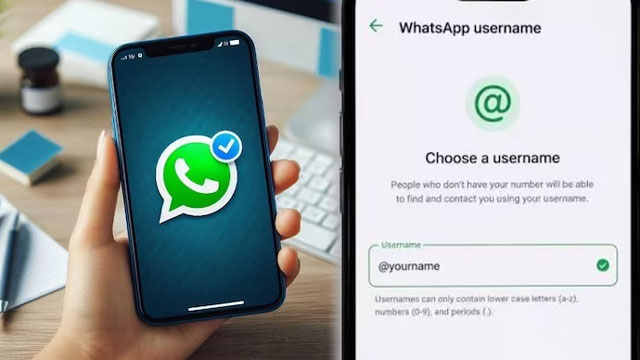
The proposed feature would allow users to connect on WhatsApp through unique usernames instead of sharing their mobile phone numbers, offering greater privacy and control over personal information. However, authorities are assessing whether the change could make it more difficult to identify and trace fraudulent accounts, particularly at a time when cyber fraud is on the rise.
Investigators have identified WhatsApp as one of the platforms frequently exploited by fraudsters for scams involving fake investments, digital arrest frauds, phishing attacks and impersonation.
Responding to the concerns, a WhatsApp spokesperson said the username feature has not yet gone live and will be introduced gradually later this year.
According to the company, users will still be required to register with a phone number, while usernames will serve only as an additional way to connect. Meta said it has built several safeguards to minimise abuse.
The company said it has reserved high-profile usernames linked to public figures, government entities, celebrities and verified Meta accounts so they can only be claimed by legitimate owners. It has also blocked lookalike versions of well-known usernames to reduce impersonation risks.
WhatsApp added that users will need to know a person's exact username before initiating a conversation. It also plans to limit how many new users an account can contact, restrict repeated attempts to guess usernames, and deploy systems to detect and remove suspicious activity.
As an added safety measure, users receiving a first-time message through a username will be shown whether the sender is a new account, an existing contact, someone from a mutual group or a user based in another country before deciding whether to respond.
The proposed feature has drawn criticism from cybersecurity experts and technology entrepreneurs, who have cautioned that similar-looking usernames could be exploited unless strong identity verification mechanisms are implemented.
Paytm founder and CEO Vijay Shekhar Sharma has warned that lookalike usernames could become a new avenue for scams, while KnotDating co-founder and CEO Jasveer Singh questioned how WhatsApp intends to balance user privacy with accountability.
WhatsApp recently announced that usernames would be introduced globally as an optional feature. Users can continue using their phone numbers if they prefer, while those choosing usernames will be able to create, modify or remove them at any time. Usernames can be up to 35 characters long and must be unique.
Meta also plans to let creators, businesses and organisations reserve usernames that match their Instagram and Facebook identities, enabling a consistent identity across its platforms through the Accounts Centre.
Government officials, however, are continuing to examine whether these safeguards are sufficient for India, where online financial fraud remains a growing concern. The review is expected to assess whether username-based identities could make impersonation easier and create fresh challenges for law enforcement agencies investigating cybercrime.