Daijiworld Media Network - Dhaka
Dhaka, Mar 15: Bangladesh has introduced a national treatment protocol for Chronic Kidney Disease in primary healthcare facilities to improve early detection and management of the growing public health challenge.
The new framework was developed by the Directorate General of Health Services (DGHS) under the Ministry of Health and Family Welfare and was released on World Kidney Day 2026, according to an official statement.
The protocol was prepared by the DGHS’s Non-Communicable Disease Control unit in collaboration with the International Centre for Diarrhoeal Disease Research, Bangladesh.
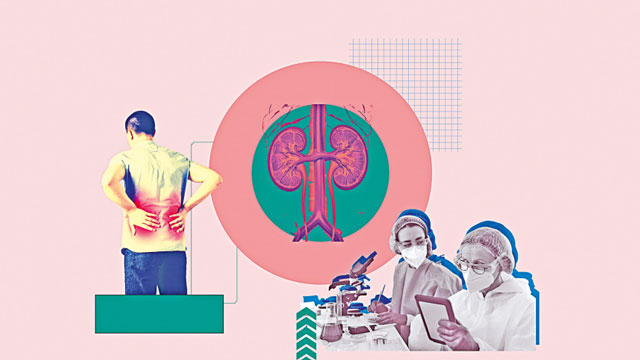
Health researchers say chronic kidney disease is steadily rising in Bangladesh but often goes undetected until the later stages. A systematic review and meta-analysis examining the prevalence of kidney disease in the country estimated that nearly one in four people may be affected — a figure higher than the global average.
Medical experts say the disease often progresses silently, leaving many patients unaware until severe kidney damage has already occurred. Each year, an estimated 35,000 to 40,000 people in Bangladesh develop kidney failure, placing increasing pressure on the country’s limited dialysis and transplant facilities.
People living with conditions such as diabetes, hypertension and cardiovascular disease, or those with a family history of kidney disorders, face significantly higher risks.
Environmental factors including water salinity, extreme heat exposure and declining water quality are also being examined as possible contributors, particularly in Bangladesh’s climate-vulnerable coastal regions.
Under the new protocol, screening and management of kidney disease will be integrated into the country’s primary healthcare system. Community health workers at thousands of government-run clinics will conduct early screening for kidney disease, high blood pressure and diabetes, and refer suspected cases for further evaluation.
Doctors at Upazila Health Complexes — government hospitals serving sub-district populations — will follow standardised guidelines for diagnosis, risk assessment and treatment.
Officials said the protocol will be rolled out gradually across primary healthcare facilities nationwide, alongside training programmes for medical staff and monitoring systems to track implementation.
Public health specialists say improving early detection at the community level could significantly reduce the number of patients progressing to advanced kidney failure, easing pressure on specialised treatment centres and lowering healthcare costs.