Daijiworld Media Network – New Delhi
New Delhi, Feb 24: For decades, scrub typhus was widely regarded as a “farmer’s disease”, believed to affect only those working in paddy fields or trekking through forests. However, a new study from South India has challenged this perception, revealing that the infection is now increasingly spreading within residential areas, including backyards and kitchen gardens.
A comprehensive population-based cohort study published in PLOS Neglected Tropical Diseases (2026) and led by researchers from Christian Medical College Vellore has found that the majority of infections are now occurring within human settlements rather than agricultural fields.
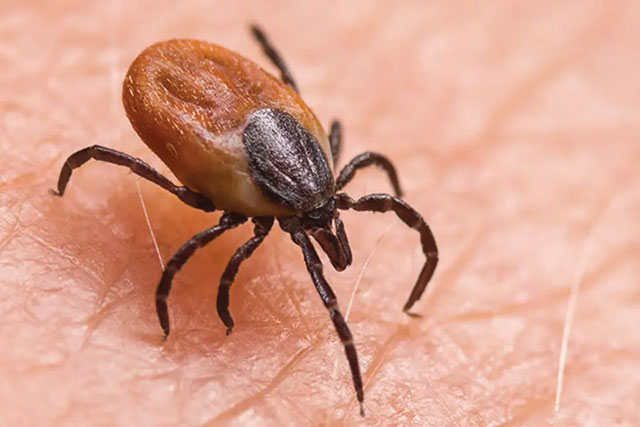
Scrub typhus is caused by the bacterium Orientia tsutsugamushi and spreads through the bite of infected larval mites, commonly called chiggers. Traditionally linked to scrub vegetation, the latest findings suggest that the microenvironment around homes — including unmaintained gardens, woodpiles and damp corners — has become a major source of transmission.
The study tracked over 32,000 individuals in Tamil Nadu and found that agricultural exposure was only weakly associated with infection in high-prevalence areas. Instead, risk was significantly higher among people living in closely clustered houses and smaller dwellings.
Contrary to the pattern of occupational diseases, women and elderly persons above 60 years were found to be at higher risk. Researchers noted that these groups spend more time around homes, tending kitchen gardens, cleaning storage areas or sitting in shaded courtyards, increasing their exposure to infected mites.
Though scrub typhus is treatable with affordable antibiotics such as doxycycline if diagnosed early, delayed detection often leads to severe complications. Initial symptoms — fever, headache and muscle pain — resemble common viral illnesses, leading many patients to seek informal treatment. By the time they reach hospitals, the disease may progress to Acute Respiratory Distress Syndrome (ARDS), kidney failure or meningoencephalitis.
The study revealed that nearly 10 per cent of affected households faced catastrophic health expenditure, spending over 25 per cent of their annual income on treatment. Severe cases may cost more than Rs 1.1 lakh, placing enormous financial strain on rural and peri-urban families.
A key diagnostic sign is the presence of an “eschar” — a dark, burn-like scab at the site of the mite bite. Since the bite is painless, it often goes unnoticed. While the study reported a case fatality rate of 1.5 per cent, hospital-based studies in South India have recorded mortality rates as high as 9 to 30 per cent when treatment is delayed.
Health experts have stressed the importance of early recognition and preventive measures. Residents are advised to keep grass trimmed around homes, maintain kitchen gardens, remove woodpiles and debris, and avoid sitting directly on soil or grass. Children playing outdoors should wear full-length clothing. Families are urged to check for eschars if anyone develops persistent fever and seek immediate medical attention.
Researchers concluded that scrub typhus is no longer confined to agricultural landscapes but has become a domestic public health challenge. As the risk shifts closer to homes, awareness and early intervention remain the only effective safeguards.