Daijiworld Media Network - New Delhi
New Delhi, Jan 3: The Ministry of Road Transport and Highways has proposed a new identification framework for electric vehicle (EV) batteries, introducing a unique number—similar to Aadhaar—to enhance traceability, safety and recycling across the battery life cycle.
Under draft guidelines issued by the ministry, every battery producer or importer will be required to assign a 21-character Battery Pack Aadhaar Number (BPAN) to each battery placed on the market or used for self-consumption. All associated battery details will have to be uploaded on a dedicated BPAN digital portal.
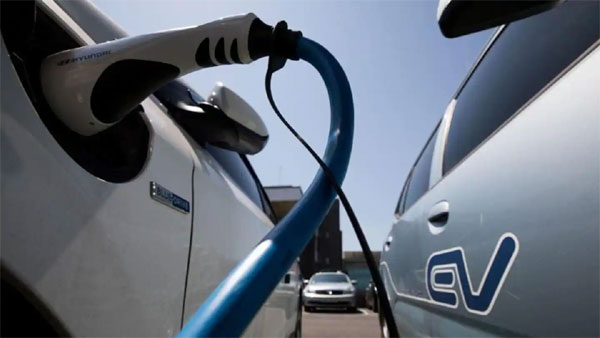
The draft specifies that the BPAN must be clearly marked on the battery in a visible and easily accessible location. Care must be taken to ensure that the identification mark is not damaged or destroyed during the battery’s operational life.
According to the proposal, the BPAN system will act as a comprehensive digital record, storing information from the stage of raw material sourcing and manufacturing through usage, recycling, repurposing or final disposal. If a battery is recycled or reused in a way that changes its characteristics, a fresh BPAN will need to be issued by the producer or importer involved.
The ministry said the initiative is aimed at creating greater transparency, accountability and sustainability within India’s rapidly expanding battery ecosystem. By enabling better tracking of performance, safety and environmental impact, the system is expected to strengthen regulatory compliance, promote second-life applications and improve recycling efficiency.
Electric vehicles currently account for an estimated 80–90 per cent of India’s lithium-ion battery demand, significantly higher than industrial or non-automotive usage. Given the scale and associated safety concerns, the draft framework prioritises EV batteries while setting standards under the BPAN system.
Although the guidelines recommend extending the framework to industrial batteries above 2 kWh, the ministry said an initial focus on EV batteries would help address the most critical and high-impact segment.
The draft further proposes that the Battery Pack Aadhaar framework be developed through the Automotive Industry Standards Committee (AISC) route. This would allow structured stakeholder consultations, technical validation and alignment with existing automotive regulations.
The committee may include representatives from battery manufacturers, EV makers, recyclers, testing agencies and regulatory authorities to ensure practical challenges across the battery life cycle are adequately addressed.
The ministry noted that as India and the world move rapidly toward electrification and digitalisation, energy storage systems have become central to reliable and efficient power supply, making robust tracking and management mechanisms increasingly essential.