Media Release
Mangaluru, Sep 21: Arjun Shetty, a 17-year-old high school senior from California whose parents are from Mangaluru, was inspired by the story of Rani Abbakka that he heard from Dr Thukaram Poojary, founder and curator of the Rani Abbakka Museum in Bantwal.
The inspiration for the project came last December during a family visit to the Bantwal museum. Arjun was captivated by the compelling story of Rani Abbakka’s brave resistance against the Portuguese and deeply impressed by the dedication and profound scholarship of the museum’s founder, Dr Thukaram Poojary. He wanted to help expand the audience for this captivating story of Rani Abbakka, both among younger Indians and members of the Indian diaspora.
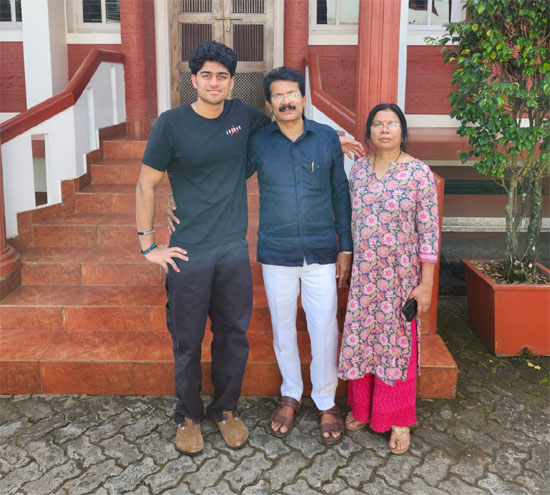
Arjun noticed that Dr Poojary was conducting the tours himself. Based on his experience at the Reagan museum, he suggested to Dr Poojary that they could create a digital recording of his talks, which would enable visitors to benefit from Dr Poojary’s expertise even when he is not there to personally explain the Rani Abbakka exhibit. This would also free up Dr Poojary’s time to answer deeper, more complex questions from visitors rather than repeating basic tours. To elevate the project further, Arjun and Dr Poojary brainstormed ways to maximize engagement among younger generations, deciding to enrich the raw footage with high-quality animations, maps, and graphics.
Arjun used his specialized expertise as a trained docent at the Ronald Reagan Presidential Museum near Los Angeles, California, recognized as the largest and most visited presidential museum in the United States. In his role there, he explains Cold War history and Reagan’s contribution to the US winning the Cold War to international crowds. So, he is intimately familiar with how large museums create interesting exhibits that use a combination of digital technology and storytelling techniques.
Following Dr Poojary’s guidance to fully grasp the geopolitical landscape of the 16th-century spice trade, Arjun travelled to Lisbon, Portugal, to understand the conflict from the Portuguese perspective. Arjun was also struck by how deeply Portugal celebrates maritime pioneers like Vasco da Gama as national heroes across its national monuments, and how important pepper from the Kanara coast was to Portugal’s transformation in the 16th century from a poor country to a very wealthy country. This made him very motivated to spread the message of Rani Abbakka widely. He created an exciting marketing video on the importance of Rani Abbakka and is presently marketing it via social media.
Arjun has also done some fundraising and raised Rs 1 lac in funds for the museum, which will be used to buy a monitor for the digital exhibit and also for printing T-shirts with Rani Abbakka graphics.
According to Dr Poojary, “I have been extremely impressed by the digital exhibit created by Arjun. I also appreciate very much his fundraising for the museum and his marketing efforts to raise awareness about both Rani Abbakka and our museum.”