Daijiworld Media Network - New Delhi
New Delhi, Sep 6: India is stepping up efforts to build a domestic semiconductor industry as it seeks to reduce dependence on imports and establish itself as a major global hub for chip manufacturing, design and related technologies, according to a report.
The country has launched the second phase of its semiconductor mission with a budget of around $13 billion, expanding its focus beyond basic industrial infrastructure to cover the wider semiconductor supply chain.
The programme also places greater emphasis on developing the skilled workforce required to support the growing industry, according to a report by _This Week in Asia_.
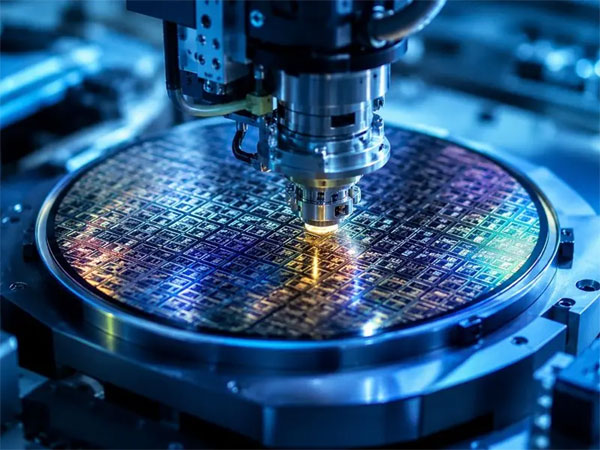
Semiconductors are critical components used in a wide range of products, including automobiles, smartphones, artificial intelligence systems and advanced computing equipment.
India’s push to develop domestic capabilities comes after global supply disruptions during the Covid-19 pandemic highlighted the risks associated with heavy dependence on a limited number of manufacturing hubs in East Asia, the report said.
While the government is promoting domestic chip manufacturing, industry observers believe India could gain a greater advantage by moving further upstream into semiconductor design and engineering.
The country’s large pool of engineers and technology professionals is being viewed as a key strength that could help transform the ambition of ‘Make in India’ into ‘Engineer in India’.
India has so far approved **12 semiconductor manufacturing projects across six states**.
Three companies — **Micron, Kaynes Semicon and CG Semi** — have begun commercial production this year. Their operations are largely focused on assembly, testing and packaging rather than advanced wafer fabrication.
A major project involving **Tata Electronics and Taiwan’s Powerchip Semiconductor Manufacturing Corporation** in Dholera, Gujarat, is also progressing, with the facility targeting its first batch of chips in December.
The project is expected to strengthen India’s semiconductor manufacturing capabilities and contribute to the development of a broader domestic ecosystem.
Tata Electronics has also entered into an **$11-billion memorandum of understanding with Dutch technology major ASML** to collaborate on advanced semiconductor technologies.
The partnership, signed on May 16, is aimed at supporting semiconductor requirements across industries including automobiles and artificial intelligence, the report noted.