Daijiworld Media Network – New Delhi
New Delhi, Aug 28: H1N1 influenza cases are witnessing a rise in several parts of India, with the Indian Council of Medical Research (ICMR) surveillance network reporting increased influenza activity.
H1N1, a subtype of influenza A, commonly causes fever, cough, sore throat, body aches, headache and fatigue. While paracetamol is often used to provide relief from fever and body pain, it does not act against the virus itself.
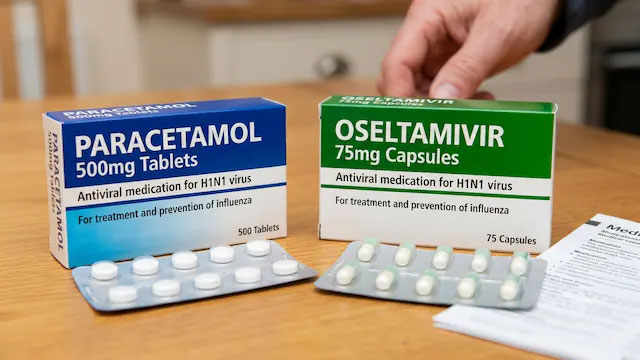
Paracetamol can help manage symptoms such as fever, headache, chills and body aches, allowing patients to remain comfortable while their immune system fights the infection. It is generally sufficient for mild cases that can be managed at home, particularly when the patient has no underlying health conditions and maintains normal oxygen levels.
For those with mild symptoms, doctors generally advise adequate rest, sufficient fluids, proper nutrition and monitoring of symptoms.
However, antiviral medicines such as oseltamivir are specifically used against influenza viruses and can help reduce the severity and duration of illness. They work by preventing the virus from multiplying in the body.
Antiviral treatment is particularly important for people at higher risk of developing complications. These include pregnant women, children below five years, adults above 65 and people suffering from conditions such as diabetes, asthma, COPD, heart disease, chronic kidney disease or weakened immunity.
Antivirals are most effective when started within 48 hours of the appearance of symptoms. However, doctors may prescribe them even later in patients with severe illness or those at high risk of complications.
Symptoms requiring urgent medical attention include persistent high fever, breathing difficulty, chest pain, low oxygen levels and worsening illness.
In adults, confusion, bluish lips and severe dehydration are also warning signs. In children, fast breathing, refusal to take fluids, extreme irritability, unusual drowsiness and seizures require immediate medical attention.
Paracetamol and antiviral medicines may be prescribed together when medically indicated. While paracetamol helps control fever and body aches, oseltamivir acts against the influenza virus.
Doctors also caution against self-medication. Unnecessary antibiotics do not treat viral influenza, while taking antiviral medicines without medical advice can also be inappropriate.
Patients recovering from H1N1 are advised to remain well hydrated, get adequate rest, maintain a nutritious diet and monitor their temperature and other symptoms. Following medical advice and seeking timely care can help reduce the risk of complications.