Daijiworld Media Network - Sanaa
Sanaa, Aug 9: Iran-backed Houthi rebels struck the government-held port of Mokha on Yemen’s Red Sea coast on Sunday, killing at least seven people and injuring 15 civilians, amid growing concerns over the security of vital shipping routes in the region.
The Yemen government-allied National Resistance Forces said four troops and three civilians were killed in the attack. Houthi forces reportedly used missiles and drones, causing extensive damage to port buildings, piers, commercial goods and food supplies.
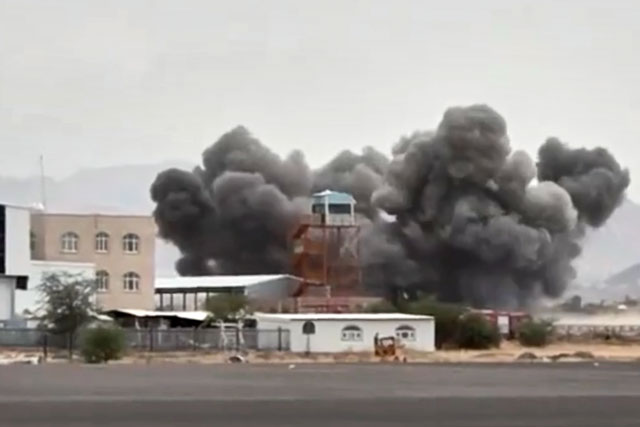
The Houthis claimed responsibility for the attack, saying they had targeted military forces and warehouses at the port. Mokha is controlled by Yemen’s internationally recognised government and has been developed as an alternative shipping facility to Hodeida, which is held by the Houthis.
The latest attack has raised fears of renewed escalation in Yemen following a truce that had largely halted major fighting since 2022.
The Houthis also claimed to have targeted an Aramco refinery in Saudi Arabia’s Jazan with a drone. Saudi Arabia’s Energy Ministry confirmed that a fire broke out at a facility belonging to the Aramco refinery, but said there were no casualties. The ministry did not specify the cause of the fire.
Meanwhile, Iran and Oman are reportedly working on a temporary arrangement aimed at reopening the Strait of Hormuz, a crucial route for global oil and natural gas supplies. Under the proposed arrangement, ships would enter the waterway near Iran and exit near Oman without paying fees or tolls during the interim period.
The proposal is reportedly supported by Gulf Cooperation Council members and could involve Iran, Oman, the United States and the International Maritime Organization. However, the terms remain subject to change.
Iran has indicated progress on a plan to manage maritime traffic through the strait, but officials have warned that vessels from countries considered hostile to Tehran could be barred from transiting the waterway.
Iranian Foreign Minister Abbas Araghchi said talks with Oman over new maritime routes were in their final stages, while stressing that this did not necessarily mean the Strait of Hormuz would immediately reopen. Tehran has set several conditions, including an end to US military action and sanctions and compensation for war-related damage.
In Gaza, Israeli Prime Minister Benjamin Netanyahu has rejected a deal announced by US President Donald Trump, insisting that Israeli forces will not withdraw from the territory until Hamas is fully disarmed.
Netanyahu said Israel remained committed to discussing the proposed Gaza roadmap with the United States. Hamas, meanwhile, said it remained committed to the roadmap and expected mediators and Washington to pressure the Israeli government to implement the agreement.
The developments come as the US Pentagon moves to increase weapons and ammunition production amid concerns over depleted stocks of advanced missile interceptors following the war with Iran.
Pentagon spokesperson Sean Parnell said the department was focused on accelerating weapons procurement to meet the demands of ongoing security threats. The shortage of advanced interceptors has also raised concerns among US allies, including Ukraine and Taiwan, which rely on American military support.