Daijiworld Media Network - New Delhi
New Delhi, Jun 4: The Union government is considering expenditure cuts in select sectors as rising global oil prices increase subsidy costs and threaten to derail its fiscal consolidation roadmap, according to officials familiar with the matter.
The options were reviewed during meetings chaired by Finance Minister Nirmala Sitharaman over the past month, though no final decision has been taken so far, the officials said.
Sources indicated that there is little willingness within the government to reduce allocations for capital expenditure or defence. Instead, officials are examining other areas where spending could be curtailed, including water resources projects and loans extended to states.
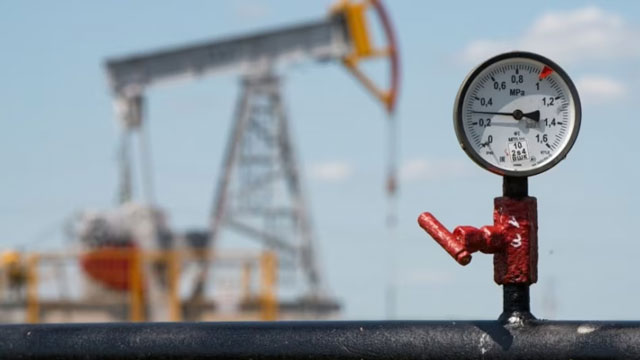
The development comes as the Narendra Modi-led government faces mounting economic pressures amid continuing tensions in the Middle East. Higher crude oil prices have pushed up India's import bill, weakened the rupee to record lows and raised concerns that inflation could move above the Reserve Bank of India's target of 4 per cent.
Economists have warned that prolonged high oil prices could jeopardise the government's objective of reducing the fiscal deficit to 4.3 per cent of gross domestic product during the financial year ending March 2027. If that happens, it could mark India's first fiscal slippage since the Covid-19 pandemic.
Official data released last week showed that the fiscal deficit nearly doubled year-on-year to Rs 3.6 trillion in April, the first month of the current financial year, as government expenditure significantly outpaced revenue collections.
A widening fiscal deficit would force the government either to increase revenue mobilisation or raise additional borrowings. However, officials said the Centre is reluctant to exceed its budgeted borrowing programme as higher debt issuance could trigger a rise in bond yields and increase borrowing costs.
The government has earmarked Rs 1.71 trillion for fertiliser subsidies in the current fiscal year. However, officials estimate the subsidy burden could nearly double if international energy prices remain elevated for a prolonged period.
At the same time, a lower-than-expected dividend transfer from the Reserve Bank of India has reduced the government's fiscal cushion, limiting its ability to absorb higher expenditure arising from increased subsidy commitments.
Any move to reduce spending is expected to be politically sensitive, particularly if it affects welfare programmes aimed at rural populations. Cuts in transfers and loans to states could also become a contentious issue, especially among opposition-ruled southern states, which have previously alleged unfair sharing of tax revenues by the Centre, affecting their infrastructure and development spending.
Officials said discussions remain at an early stage and the government is likely to reassess the situation during the second half of the financial year. Even if spending cuts are eventually introduced, they may not be sufficient to contain the fiscal deficit if crude oil prices remain at current levels.
Meanwhile, the government has already unveiled a series of measures to curb foreign capital outflows, support the rupee and attract overseas investment. The Reserve Bank of India has also taken steps to strengthen foreign exchange reserves amid persistent volatility in global financial markets.