Daijiworld Media Network - New Delhi
New Delhi, Jun 4: The Centre is reportedly preparing to make a fresh attempt to secure passage of the Women's Reservation Bill and the Delimitation Bill during the upcoming Monsoon Session of Parliament, with the government hopeful of garnering issue-based support from sections of the opposition.
According to sources, the NDA government remains keen on reviving the two proposed constitutional amendments after they failed to secure the required two-thirds majority in Parliament earlier this year.
The ruling alliance is believed to be exploring support from MPs across party lines, including members of the All India Trinamool Congress, Dravida Munnetra Kazhagam (DMK), and smaller regional parties such as the Nationalist Congress Party faction led by Sunetra Pawar and the Shiv Sena faction headed by Uddhav Thackeray.
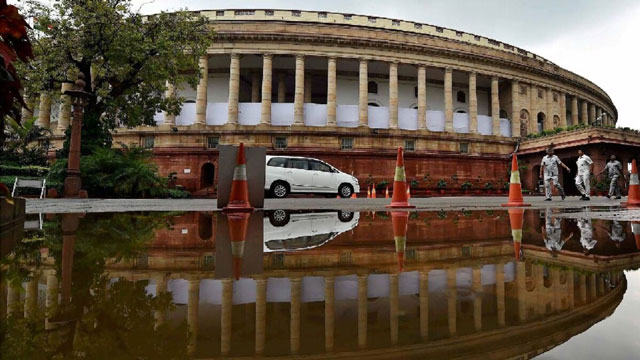
The proposed constitutional amendment seeks to implement 33 per cent reservation for women in Parliament and state legislatures from 2029 and expand the strength of the Lok Sabha through a fresh delimitation exercise.
Under the proposed Constitution (131st Amendment) Bill, the strength of the Lok Sabha would increase from 543 to 816 seats following a delimitation exercise based on the 2011 Census. The additional seats are intended to facilitate the implementation of women's reservation ahead of the 2029 general election.
When the legislation was taken up in the Lok Sabha in April, it received support from 298 MPs, while 230 members voted against it. However, constitutional amendments require the backing of at least two-thirds of members present and voting.
The bill required 352 votes to pass and therefore fell short of the necessary majority.
The NDA currently holds 293 seats in the Lok Sabha, making support from opposition parties crucial for the passage of any constitutional amendment. Government strategists are reportedly considering both direct support and possible abstentions from opposition benches to reduce the effective voting threshold.
During the earlier debate, Prime Minister Narendra Modi defended the proposed delimitation exercise and rejected allegations that it would disadvantage certain states.
He maintained that no state would face discrimination and argued that delimitation was necessary to ensure equitable representation in Parliament.
Opposition parties, however, expressed concerns that the exercise could alter the federal balance and adversely affect states that have successfully implemented population control measures.
Despite the setback in April, sources indicated that the government remains committed to both reforms and is expected to make another attempt to build consensus before Parliament reconvenes for the Monsoon Session.