Daijiworld Media Network - New Delhi
New Delhi, Apr 26: Large parts of India are currently facing an intense heatwave, with temperatures climbing far above seasonal averages. The national capital, Delhi, has been particularly affected, sparking growing concerns about public health and safety.
On Saturday, Delhi recorded a peak temperature of 44.5°C — the highest so far this season — according to the India Meteorological Department (IMD). Temperatures remained above 40°C on Sunday, reflecting persistent heatwave-like conditions. Several areas also experienced hot, dry winds, prompting authorities to issue a ‘yellow alert’.
The IMD has forecast that these extreme conditions will persist across northwest and central regions until April 28. States such as Punjab, Haryana, Rajasthan, and Uttar Pradesh are expected to remain severely affected, with temperatures ranging between 40°C and 45°C. In central India, areas including Madhya Pradesh, Chhattisgarh, and the Vidarbha region are also experiencing extreme heat.
In Uttar Pradesh, Prayagraj recorded a high of 45.2°C, the highest in the state so far this season. Authorities have issued severe heat alerts across 32 districts, underscoring the widespread impact.
The IMD has also warned that similar heatwave conditions could soon extend to southern regions, particularly Kerala and Mahe.
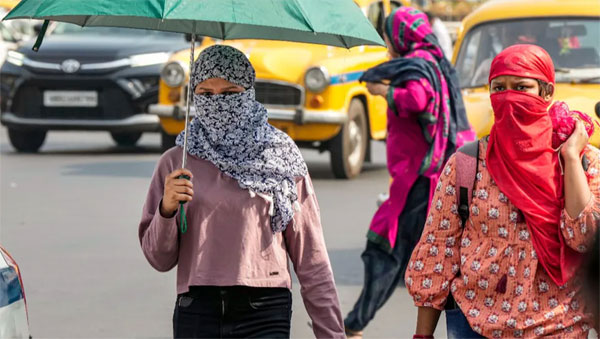
As temperatures continue to rise, officials are urging citizens to take precautions to avoid heat-related illnesses. People are advised to stay indoors during peak afternoon hours, remain well-hydrated, and wear light, breathable clothing.
Protective measures such as using hats, umbrellas, and sunglasses are also recommended.
Those working outdoors are encouraged to cover their heads and necks with damp cloths, while authorities have strongly warned against leaving children or pets inside parked vehicles.
Experts caution that if the current trend persists, the heatwave could intensify further, posing significant health risks, especially to vulnerable groups such as the elderly, children, and those with pre-existing conditions.