Daijiworld Media Network - Washington
Washington, Apr 21: The United States is entering what officials describe as a “more dangerous era,” as it faces simultaneous nuclear competition with both China and Russia. The concerns were raised during a recent Senate hearing, where policymakers and defence leaders stressed the urgency of modernising the nation’s nuclear arsenal.
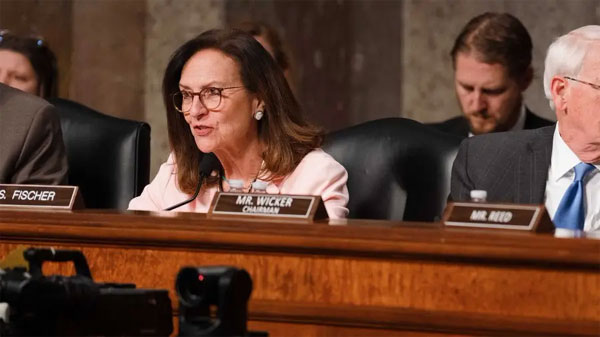
At the hearing, Senator Deb Fischer highlighted the unprecedented challenge of deterring two nuclear-armed rivals at once, noting that both Beijing and Moscow are actively expanding and upgrading their capabilities. Former official Robert Kadlec described the situation as an immediate crisis, pointing to China’s rapid and opaque nuclear build-up alongside Russia’s continued integration of advanced nuclear systems into its military doctrine.
Officials from the United States Department of Energy and the United States Department of Defense outlined a broad effort to overhaul ageing nuclear infrastructure, much of which dates back to the Cold War era. David Beck told lawmakers that the scale of expansion by rival powers is eroding America’s long-held strategic edge, making modernisation the top priority.
The upgrade effort includes ramping up production of critical components such as plutonium pits, uranium elements, and high explosives, while simultaneously rebuilding facilities that support the nuclear enterprise. Beck acknowledged that the undertaking is significant, especially after years of limited investment in infrastructure.
Senator Angus King also raised concerns about intelligence assessments related to China’s nuclear advances, calling them developments that demand serious attention.
At the Pentagon, officials emphasised the urgency of delivering next-generation systems. Dale White noted that key programmes such as the LGM-35A Sentinel and the Northrop Grumman B-21 Raider are being prioritised to ensure timely deployment.
Military leaders cautioned that existing forces are operating under increasing pressure even as upgrades are underway. Representatives from Air Force Global Strike Command said operations are being carried out with limited margins, reflecting the strain on current capabilities.
Naval officials pointed to the continued importance of sea-based deterrence, with nuclear-powered submarines and aircraft carriers forming a key pillar of strategic defence. William Houston stressed the need for sustained investment in both personnel and infrastructure to maintain maritime strength. Meanwhile, Johnny Wolfe Jr. described sea-based nuclear forces as foundational to national security, warning that maintaining industrial capacity will be crucial in the years ahead.
Beyond military readiness, the Department of Energy also highlighted ongoing efforts to address environmental legacies tied to past nuclear activities. Timothy Walsh said initiatives are underway to clean up former sites while repurposing them for energy and innovation.
The hearing underscored the financial scale of the modernisation push. Kadlec noted that nuclear programmes account for roughly 5.5 percent of the defence budget, arguing that the cost is justified given the risks of strategic instability. Lawmakers acknowledged the burden of simultaneously upgrading all three components of the nuclear triad, with King likening the spending surge to a “pig in the budgetary python,” reflecting its concentrated impact over a short period.