Daijiworld Media Network - New Delhi
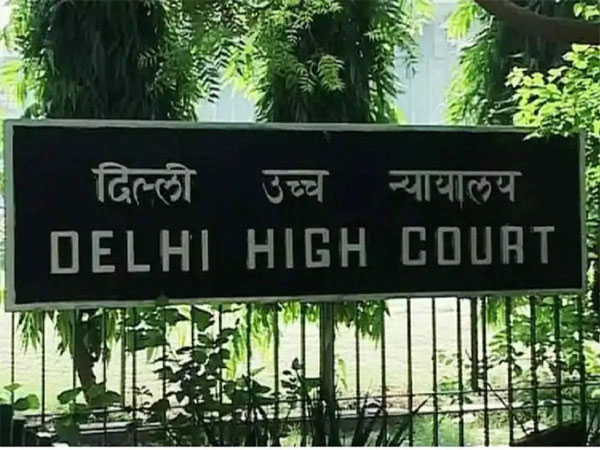
New Delhi, Apr 15: The Delhi High Court has directed police authorities to take immediate steps to remove all social media videos showing Arvind Kejriwal during court proceedings, following concerns over alleged unauthorized recording and circulation of judicial hearings.
The direction relates to viral clips of Kejriwal arguing before Justice Swarana Kanta Sharma during the hearing of his plea seeking the judge’s recusal in connection with the Delhi Excise Policy case. The court observed that the circulation of such recordings appears to be in violation of established rules governing virtual court proceedings.
Registry officials noted that action is already being initiated against individuals responsible for recording and uploading proceedings, reiterating that similar enforcement measures have been taken in past instances of violations.
Earlier in the day, advocate Vaibhav Singh lodged a formal complaint with the court, alleging that audio and video from the April 13 hearing were recorded and widely circulated on platforms such as X, Facebook, Instagram, and YouTube without permission.
The complaint claimed that several political figures, including Kejriwal and members of the Aam Aadmi Party, had “intentionally and deliberately” shared court proceedings in violation of the Delhi High Court Rules for Video Conferencing, 2021 and the Electronic Evidence and Video Conferencing Rules, 2025, which prohibit unauthorized recording or publication of hearings.
It further alleged that the dissemination of these clips was part of a “pre-planned conspiracy” aimed at undermining the judiciary and influencing public perception.
The April 13 hearing concerned Kejriwal’s application seeking Justice Sharma’s recusal from hearing matters related to the alleged Delhi Excise Policy case. During the proceedings, Kejriwal appeared in person and argued for nearly 45 minutes, asserting that he is “no longer an accused” after being discharged by the trial court.
He contended that a prior ex parte order by Justice Sharma, which partially stayed the trial court’s findings, created a “reasonable apprehension of bias,” prompting his request for recusal. He also told the court that he had written to the Chief Justice of the Delhi High Court, Devendra Kumar Upadhyaya, seeking reassignment of the case before filing his plea.
Justice Sharma, however, observed that concerns regarding the timing or nature of judicial orders cannot be adjudicated within recusal proceedings and should instead be challenged before the Supreme Court.
Opposing the plea, Solicitor General Tushar Mehta argued that the legal standards for judicial recusal are well established and cautioned against remarks that could erode public confidence in the judiciary.
He emphasized that parties must maintain fairness toward the court regardless of the outcome of a case.
After hearing arguments from all sides, the High Court reserved its judgment on the recusal plea and directed parties to submit brief written arguments within the stipulated timeframe, while the larger issue of unauthorized recording remains under scrutiny.