Daijiworld Media Network - Mumbai
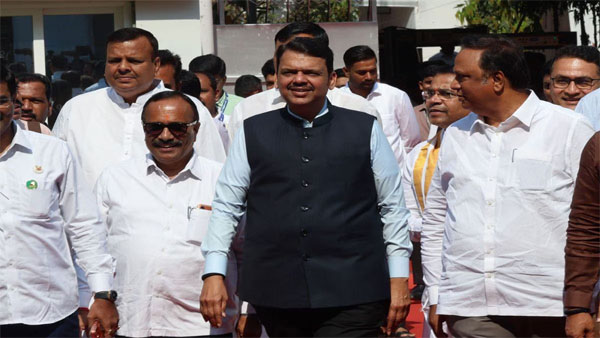
Mumbai, Mar 25: The Maharashtra Legislative Assembly unanimously approved an amendment Bill introduced by Chief Minister Devendra Fadnavis to modify the Bharatiya Nyaya Sanhita (BNS). The move incorporates key elements of the Shakti Act into the national criminal framework.
The amendment introduces two significant provisions. First, it strictly prohibits the disclosure of the identity of acid attack survivors, including their name, address, or any identifying details. This measure is aimed at safeguarding victims from social stigma and ensuring their safety during legal proceedings.
Second, the law expands the scope of punishable offences to include harassment through phone calls, social media, obscene digital communication, deepfakes, and the unauthorised sharing of images or videos of women. Such offences will now attract penalties similar to those applicable in serious crimes like molestation and sexual assault.
Fadnavis explained that most provisions of the Shakti Act were already incorporated into the BNS, prompting the state to introduce only these two additional amendments based on recommendations from the Maharashtra Director General of Police. He noted that the BNS already includes safeguards preventing the disclosure of identities of victims in cases such as rape and molestation, and the new amendment extends similar protection to acid attack survivors.
The original Shakti Bill, introduced in 2020, had faced delays in receiving Presidential assent due to its linkage with the now-replaced Indian Penal Code and Code of Criminal Procedure. By directly amending the BNS, the state has created a legally updated framework while preserving the stringent protections envisioned earlier.
The Shakti Act marked a major shift in addressing crimes against women and children in Maharashtra. It proposed stricter punishments, including the death penalty in certain cases of rape and gang rape with conclusive evidence, as well as severe penalties for sexual offences against minors under 16.
It also focused on speeding up justice delivery by mandating tight timelines—investigations within 15 to 30 working days, trials within 30 days of filing the chargesheet, and a reduced appeal window of 45 days.
During the Assembly discussion, legislators such as Bhaskar Jadhav from Shiv Sena (UBT) and Jitendra Awhad from Nationalist Congress Party (Sharad Pawar faction) suggested that similar legal safeguards should also be considered to address harassment faced by men.
Responding to the concerns, Fadnavis assured the House that the government would examine these suggestions in due course.