Daijiworld Media Network - New Delhi
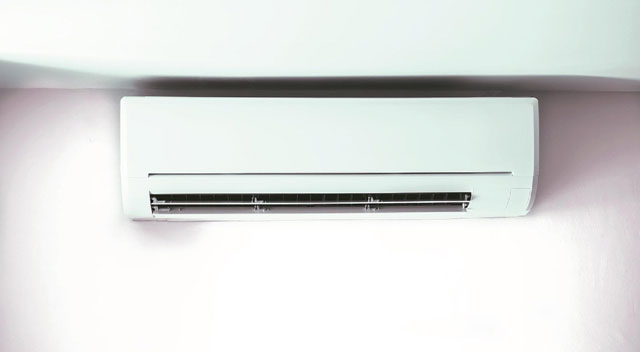
New Delhi, Mar 16: The ongoing conflict in West Asia is beginning to affect the production of air conditioners in India, with manufacturers facing supply constraints of LPG and petrochemicals ahead of the peak summer sales season.
Industry executives said restricted supplies of liquefied petroleum gas (LPG) and shortages of petrochemicals are creating early pressure on manufacturing processes. LPG is used in brazing copper and curing powder-coating during production, while petrochemicals are essential for manufacturing polymers used in plastic mechanical parts of air conditioning units.
Although there is no major disruption in production at present, companies have warned that a prolonged supply crunch could pose challenges as the summer season approaches. Consumers are already expected to face higher prices for new AC stocks arriving in markets around April and May due to recent price hikes.
Vikas Gupta, managing director (operations) at PG Electroplast, said the company is experiencing difficulties in accessing LPG and piped natural gas (PNG) required for certain manufacturing processes.
“We are facing certain challenges related to production—first is availability of LPG and PNG which are required for certain manufacturing processes in ACs and other product categories. Also, scarcity of petrochemicals. It is causing some disruption in day-to-day production. We are working with our vendors to curb wider impact,” Gupta said.
He added that with temperatures already rising across several parts of India and forecasts suggesting the possibility of El Niño later this year, the company hopes geopolitical tensions ease before the peak demand period.
Kamal Nandi, business head and executive vice-president at the appliances business of Godrej Enterprises Group, said the Middle East tensions have started creating supply-side constraints for key materials used in AC manufacturing.
Besides limited LPG supply, Nandi said availability of plastic raw materials such as polypropylene and polystyrene has also been affected, with prices rising sharply.
Ajay Singhania, managing director and CEO of Epack Durable, said the company is exploring alternative methods for brazing copper components in ACs, though such changes could increase production costs.
He said there has been no production loss so far, but gas agencies have warned that supply challenges could arise if the shortage continues. The company is also focusing on increasing production of induction cooktops amid rising demand.
Meanwhile, B Thiagarajan, managing director of Blue Star Limited, said new energy efficiency norms have already increased AC prices by about 5 percent, with another 8 to 10 percent rise expected due to high commodity costs.
“There is apprehension within the industry about supply challenges,” Thiagarajan said.
According to Sumit Pokharna of Kotak Securities, India’s dependence on the Middle East for LPG supplies makes the sector vulnerable to geopolitical disruptions.
About 88 percent of India’s LPG imports come from the Middle East, accounting for roughly 54 percent of the country’s total LPG demand. If disruptions continue due to the ongoing conflict, the resulting supply gap could significantly affect manufacturing and push prices higher for consumers during the summer season.