Daijiworld Media Network - Washington
Washington, Feb 22: A legal battle over a $330 million estate in New York has escalated into a wider controversy surrounding the functioning of the Queens Surrogate's Court.
At the center of the dispute is 23-year-old Brandon Bishunauth, who is contesting the administration of his late father Mohammad Malik’s estate. Malik, a real estate businessman, passed away in February 2023. Court documents place the estate’s assessed value at approximately $330 million.
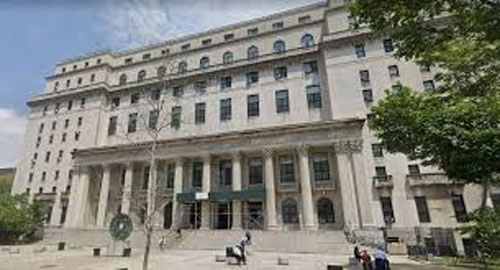
An investigative report published in January 2025 drew attention to the case, raising questions about political dynamics within Queens’ judicial system. The report highlighted the role of the law firm Sweeney, Reich & Bolz in local judicial selection processes, noting that in Queens, the Democratic Party does not employ an independent screening panel. Instead, it alleged that partners from the firm constitute a significant portion of the party’s judicial vetting panel.
In appellate filings, Bishunauth has accused Surrogate Judge Peter J. Kelly of procedural violations, describing them as “repeated, purposeful and knowing.” The filings allege that the judge utilized what is termed a “secret court docket” rather than the state’s official electronic filing platform, New York State Courts Electronic Filing System (NYSCEF). According to the appeal, this practice prevented a January 24, 2024 cross-motion from being uploaded and considered, thereby obstructing what the filings characterize as “as-of-right appeals” and due process protections.
Under Malik’s 2023 will, Bishunauth was bequeathed $25,000, with the majority of the estate left to his sister, Yasmin Malik. However, under New York intestacy laws, if the will were to be invalidated, the estate could potentially pass differently, a central point in the son’s challenge.
Bishunauth also contends that a December 5, 2023 proceeding resulted only in what he calls “an agreement to agree,” arguing that essential conditions were not satisfied before probate was granted. Joint affidavits submitted by his mother, aunt, and uncle further allege that the court imposed what they describe as “judicial lifetime gag orders” on non-parties present in court prior to any finalized written settlement.
Additional appellate claims state that certain notices of motion were refused docketing despite being formally presented, allegedly hindering appellate review.
The matter is currently before the Appellate Division of the Supreme Court of New York, Second Department, which will determine whether the probate decree and related sealing orders should stand and whether procedural improprieties occurred.
Surrogate’s Courts in New York oversee wills and estate disputes, but the Queens court has previously faced criticism over perceived ties to local political structures. The high-value estate dispute has once again brought those concerns into public focus.