Daijiworld Media Network - Johannesburg
Johannesburg, Feb 7: South Africa has launched its first locally developed vaccine against foot-and-mouth disease (FMD) in nearly two decades, marking a major step in strengthening the country’s animal health security and reducing dependence on imported vaccines.
At a media briefing, Agriculture Minister John Steenhuisen, along with the Agricultural Research Council (ARC), announced the release of an initial batch of 12,900 vaccine doses. The ARC, which developed and produced the vaccine, said weekly production is expected to scale up to around 20,000 doses by March, with distribution plans already underway to supply herds nationwide.
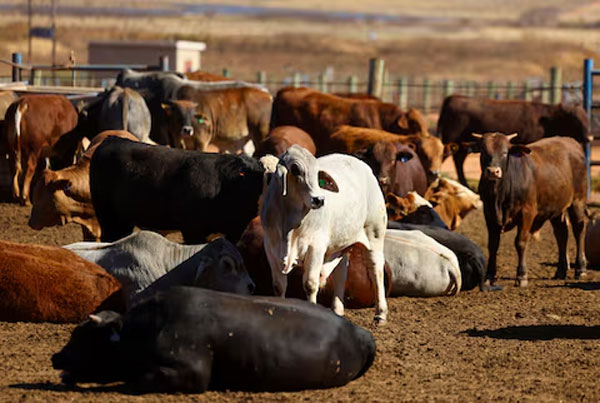
According to the Department of Agriculture, the rollout represents a shift from reactive disease control to a proactive, science-driven strategy aimed at helping South Africa reclaim its FMD-free status with the World Organisation for Animal Health.
“This is a critical milestone that strengthens our frontline defence against foot-and-mouth disease,” Steenhuisen said, adding that the government’s long-term objective is to significantly reduce reliance on foreign suppliers for FMD vaccines.
Foot-and-mouth disease is a highly contagious viral illness that affects cloven-hoofed animals, including cattle, pigs, sheep, and goats, and carries severe economic consequences for the livestock sector. The disease is marked by fever and painful blister-like sores in the mouth, on the tongue and lips, on teats, and between the hooves, leading to sharp declines in productivity.
While adult animals usually recover, young animals often face high mortality due to complications such as myocarditis or inadequate milk supply when infected dams are affected. Intensively farmed animals are generally more vulnerable than traditional breeds.
All seven known serotypes of the foot-and-mouth disease virus have also been detected in wildlife, with African buffalo identified as key carriers. Other wildlife species are not considered long-term reservoirs of the virus.
The introduction of a domestically produced vaccine is expected to bolster South Africa’s ability to manage outbreaks more effectively, protect livelihoods in the livestock industry, and restore confidence in its animal health systems.