Daijiworld Media Network - Baghdad
Baghdad, Jan 22: Iraqi authorities have confirmed the arrival of the first group of 150 Islamic State (IS) detainees who were previously held in prisons in northeastern Syria, marking the start of a broader transfer process coordinated with international partners.
According to a statement issued on Wednesday by Sabah al-Numan, spokesperson for Iraq’s commander-in-chief of the armed forces, the detainees include Iraqi citizens as well as foreign nationals accused of direct involvement in the killing of Iraqi civilians. These individuals had been detained in facilities run by the Syrian Democratic Forces (SDF).
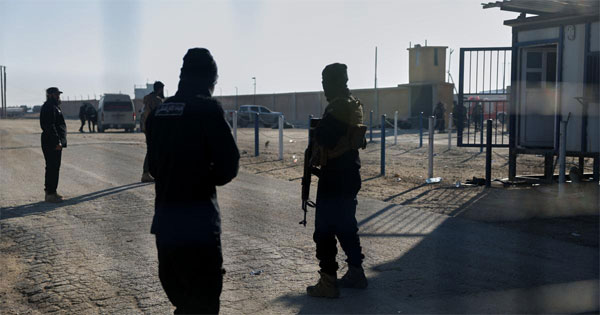
The handover was carried out in coordination with the international coalition fighting IS. Iraqi officials said the detainees will be placed in state-run correctional facilities, adding that the scale and timing of future transfers will be determined by ongoing security evaluations.
The US Central Command (CENTCOM) confirmed that the detainees were transported from a detention center in Hasakah, Syria, to a secure location inside Iraq. CENTCOM described the transfer as part of a larger initiative that could eventually involve relocating up to 7,000 IS detainees to Iraqi-controlled prisons.
In its statement, CENTCOM emphasized that ensuring a controlled and secure transfer process is essential to preventing potential prison breakouts that could threaten regional stability and US security interests.
Over the past year, US and allied forces have apprehended more than 300 IS members in Syria and killed over 20 others, CENTCOM noted.
Commenting on the broader picture, Adrian Shtuni, an associate fellow at the International Centre for Counter-Terrorism, said that by 2025—more than two decades after IS emerged—the group’s territorial hold in Iraq and Syria has been largely dismantled. At its peak, IS commanded an estimated force of up to 80,000 fighters, including over 42,000 foreign militants from more than 120 countries.
By mid-2025, however, intelligence assessments indicate that only around 1,500 to 3,000 IS fighters remain active in Iraq and Syria. Despite this sharp decline, Shtuni cautioned that the group continues to pose a security threat beyond the region.