Daijiworld Media Network - Mumbai
Mumbai, Jan 13: As runners focus on the right sneakers, warm gloves and fitness gadgets, respiratory health often goes unnoticed. However, experts say lung health is just as important—especially during winter, when cold and dry air can trigger coughing, wheezing and breathlessness, taking the joy out of outdoor exercise.
According to Dr Killol Patel, director of interventional pulmonology at JFK University Medical Center, cold-weather running commonly leads to respiratory symptoms because the body struggles to condition the air. “Normally, the moist lining of the nose and mouth warms and humidifies the air before it reaches the lungs. But in cold, dry conditions, especially when breathing rapidly during exercise, this process may not work effectively,” he explained.
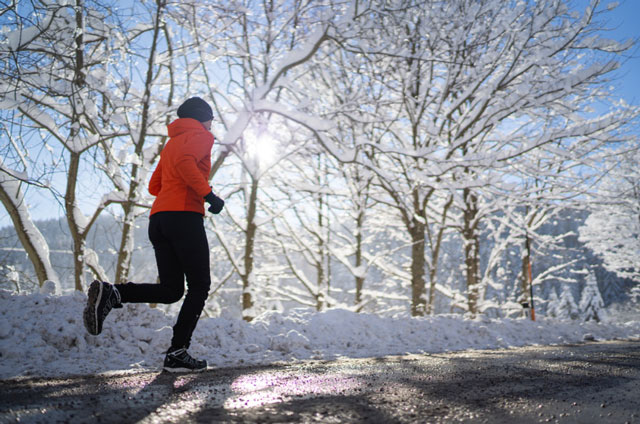
This can result in coughing, wheezing, chest tightness and difficulty catching one’s breath. The problem can affect even healthy individuals, but those with asthma or already inflamed airways are more vulnerable. “Cold, dry air can cause bronchospasm, where the lungs constrict as a protective response,” Dr Patel said. “For people with pre-existing respiratory issues, there is very little buffer.”
Doctors say winter air can also lead to mucus build-up in the airways, further restricting breathing and forcing runners to slow down or stop altogether.
Experts recommend a few simple strategies to reduce lung irritation while exercising outdoors:
• Warm up your airways: Just as muscles need warming up, so do lungs. Deep breathing indoors before stepping out can help the respiratory system adjust gradually.
• Breathe through the nose: Nasal breathing helps warm and moisten air better than mouth breathing, reducing irritation.
• Slow your pace: Faster running increases breathing speed, leaving less time to condition each breath. Rhythmic breathing—coordinating inhalation and exhalation with steps—may help.
• Cover your face: Wearing a scarf or mask over the nose and mouth can trap warm air, creating a protective pocket for breathing.
• Stay hydrated: Dehydration can increase the risk of bronchospasms, particularly in people with asthma.
• Avoid polluted routes: Cold weather combined with poor air quality can worsen respiratory symptoms.
Pulmonologists also suggest activities that build lung strength, such as swimming, which improves breathing efficiency and respiratory muscle control. Diaphragmatic or belly breathing, which involves deep inhalation through the nose and slow exhalation through pursed lips, may also improve lung function over time.
Cold weather should not stop people from staying active, but extra care is needed to protect lung health. Experts advise avoiding tobacco smoke, limiting exposure to air pollution and seeking medical advice if breathing difficulties persist. With the right precautions, winter runs can remain safe and enjoyable.