Daijiworld Media Network - New Delhi
New Delhi, Dec 10: The Supreme Court on Wednesday reserved its judgment on a series of petitions filed by student activists Umar Khalid and Sharjeel Imam, along with Gulfisha Fatima, Meeran Haider, Shifa-ur-Rehman, Shadab Ahmed, and Mohd. Saleem Khan. The group is challenging the Delhi High Court’s refusal to grant them bail in the alleged “larger conspiracy” case connected to the 2020 Delhi riots.
All the accused have been charged under the Unlawful Activities (Prevention) Act (UAPA) and have remained in custody for over five years.
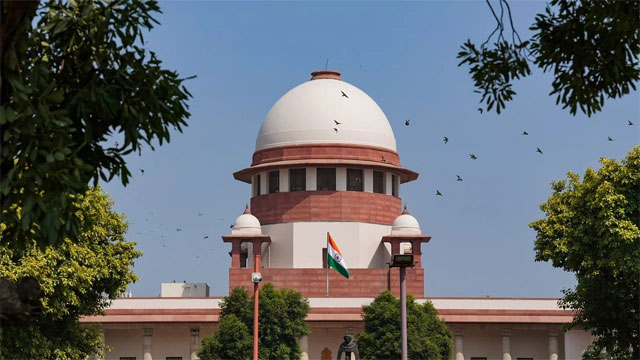
A bench of Justices Aravind Kumar and N.V. Anjaria, after hearing detailed arguments from the defence and the prosecution, reserved its verdict and allowed both sides to submit any additional documents by December 18.
During earlier hearings, Solicitor General Tushar Mehta, appearing for the Delhi Police, strongly opposed the bail pleas. He argued that the 2020 violence was not a spontaneous communal clash but a “well-designed, well-crafted” attack planned to undermine national sovereignty. Referring to speeches, digital communications, and WhatsApp chats, he claimed the material showed a “synchronised attempt” to inflame communal tensions, damage property, and mobilise resources for orchestrated unrest.
Mehta further alleged that procedural delays in the trial were caused by the accused themselves, citing prolonged arguments opposing the framing of charges. According to him, this reflected a broader pattern where the merits of a case are avoided while seeking relief on grounds of delay.
The Delhi Police, in their counter-affidavit, identified Khalid as a “key conspirator” who allegedly mentored others, including Imam. They maintained that the conspiracy was timed to coincide with the visit of then–US President Donald Trump to attract global attention.
On September 2, the Delhi High Court had rejected the bail applications of Imam, Khalid, and several co-accused in the same case, prompting the present appeals before the Supreme Court.
The apex court’s impending ruling is now awaited keenly, particularly in light of the prolonged incarceration of the accused and the larger legal debate surrounding the use of UAPA in protest-related cases.