Daijiworld Media Network - San Francisco
San Francisco, Nov 22: At just 27, Indo-British entrepreneur Rahul Vohra became a multimillionaire after selling his first startup to LinkedIn. Yet, behind the headline-grabbing exit was a severe health crisis triggered by relentless stress that left him hospitalised. Now 42, Vohra has opened up about how that wake-up call reshaped his life and paved the way for his second venture's $825 million acquisition.
Vohra launched Rapportive, an email browser plug-in, in 2009. Three years later, in February 2012, LinkedIn bought the company for $15 million. However, in the months leading up to the deal, the relentless pressure of serving as co-founder and chief executive officer caught up with him.
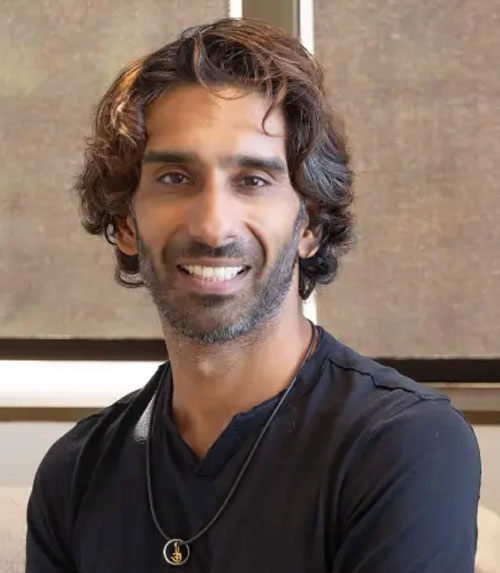
Speaking to Fortune, Vohra admitted he had been oblivious to his own burnout. “I didn’t think I was stressed, but I think that’s just because when you’re stressed all the time, you don’t even notice it anymore,” he said.
The breaking point came when he woke up at 3 am with intense nausea and discomfort. Brushing off the symptoms, he pushed through his morning routine until the pain became intolerable by lunchtime. While walking to a nearby pharmacy, he collapsed outside a McDonald’s outlet in San Francisco. A co-founder rushed to his aid with painkillers, and Vohra—acting “like an idiot,” as he puts it—immediately returned to work.
He finally sought medical help the next day. A series of tests revealed that chronic stress, a steady diet of junk food and a complete lack of exercise had resulted in gastrointestinal reflux disease. A nurse delivered a stark warning, telling him his internal organs resembled those of someone 10 to 20 years older, and urged him to “re-examine” his life.
A week-long hospital stay followed by several weeks of recuperation with his family gave Vohra the space to rethink his approach to entrepreneurship. Looking at today’s hustle culture, he expressed concern for younger founders.
“I personally find it sad and dismaying when founders in their 20s…[are] running themselves into the ground, often much worse than what I did,” he said. “They’re doing what I did plus stupid hours, and they’re wearing that as a badge of honour. I hope that when people read this, that they see that there is another path.”
For Vohra, that alternative path began with stepping away from work and embracing transcendental meditation under Laurent Valosek, a wellness coach and chief executive officer of the Peak Leadership Institute. Drawn to India’s Raj tradition, which involves personalised, one-on-one mantra instruction, Vohra underwent intensive multi-hour sessions over several days. Years later, he still meets Valosek in person every two to three months.
Today, Vohra starts every morning with 20 minutes of meditation, crediting the habit for giving him a “calmer” and “clearer” headspace. He has also integrated regular workouts into his schedule and overhauled his diet with help from dieticians and nutritionists.
The mental shift transformed how he navigated the high-stakes world of venture capital. “When I did finally get back into work, all of the games that the VCs were playing…that were really getting to me, just suddenly didn’t faze me at all,” Vohra said. “I had this new source of grit and resilience. I just straight-up called VCs who were BS-ing me out on their BS, and refused to engage with them because I had this newfound source of strength, which was simply this gratitude for being alive.”
That balanced approach paid off in 2025, when Grammarly acquired his second company, Superhuman, for $825 million—this time, without a single trip to the hospital.
Reflecting on the difference between the two exits, Vohra attributed his composure to being “older and wiser,” backed by perspective, exercise, meditation and proper nutrition. “There was no existential dread. We weren’t running out of money. We were growing faster than ever. I could have raised more money. Selling the company was really more about: Are we going to achieve our mission faster together if we do this?” he said.