Daijiworld Media Network - New Delhi
New Delhi, Not 21: Eternal founder Deepinder Goyal on Saturday said a scientific paper exploring whether gravity could be an overlooked contributor to human ageing has been published in research reviews, clarifying that the theory remains a hypothesis requiring experimental validation.
In a post on social media platform X, Goyal said the paper examines whether spending a lifetime in an upright position could contribute to age-related reductions in blood flow to the brain and potentially influence the broader ageing process.
The paper proposes that since the brain is positioned above the heart when a person stands or sits, the body must constantly work against gravity to maintain adequate blood circulation to the brain.
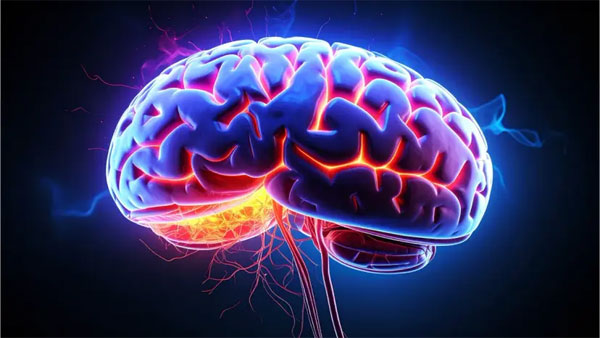
According to the researchers, this compensatory mechanism may weaken with advancing age, potentially exposing regions such as the brainstem and hypothalamus to repeated reductions in blood flow over several decades.
The authors further suggest that these brain regions play crucial roles in regulating blood circulation, metabolism, body temperature, hormones and sleep. They have raised the possibility that gradual impairment in these functions could contribute to ageing across the body.
However, Goyal clarified that the publication does not claim gravity is the sole cause of ageing or establish the extent of any potential impact.
"Please note that this is a hypothesis paper. Peer review checked that the argument is strong enough to publish; only experiments can prove whether it is true or false," he wrote on X.
The paper also examines factors such as exercise and sleep, which are commonly associated with healthy ageing. According to the authors, physical exercise may help improve blood flow to the brain, while lying down during sleep temporarily eliminates the challenge posed by gravity.
Goyal said experiments to test the hypothesis were already underway and invited researchers to collaborate, including on studies specifically designed to disprove the theory.
He shared the publication amid criticism from sections of the medical community over the scientific basis of certain health-related claims made by Temple, his wearable technology startup.
Earlier this month, Goyal had defended Temple's research and product development efforts after doctors questioned the company's assertions concerning brain blood flow and other physiological measurements.