Daijiworld Media Network – New Delhi
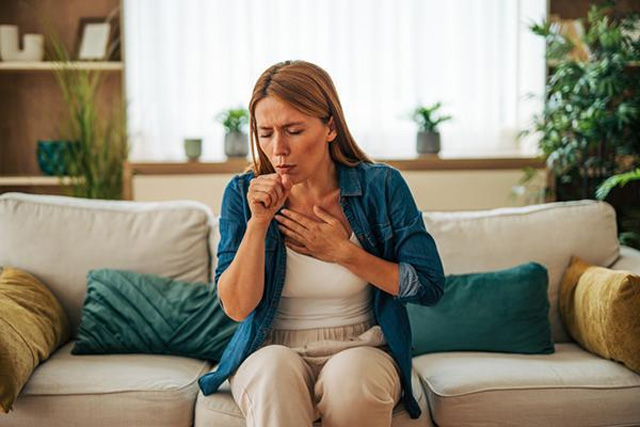
New Delhi, Sep 25: A lingering cough after a respiratory infection does not necessarily indicate that the infection is still active or that the lungs have suffered permanent damage, pulmonologists have said.
Respiratory infections can leave the airways inflamed or unusually sensitive even after the infection has cleared. Recovery may take longer in older adults, people with pre-existing lung conditions and those with weakened immunity.
Dr Vijay Kumar Agrawal, Director – Pulmonology & Sleep Medicine, Yatharth Super Speciality Hospital, Faridabad Sector 88, said a cough alone does not mean that antibiotics are required.
Doctors consider factors including the pattern and duration of symptoms, temperature, breathing difficulty, oxygen saturation and physical examination of the chest before deciding on treatment. If pneumonia is suspected or diagnosed, chest X-rays or blood tests may be advised.
Antibiotics are prescribed when there is evidence that the infection is bacterial, rather than simply because a cough is severe. Many common respiratory infections are viral, against which antibiotics are ineffective.
Some people may also experience respiratory symptoms for months after COVID-19, commonly referred to as long COVID or Post-Acute Sequelae of SARS-CoV-2 Infection (PASC). Breathlessness, fatigue and reduced exercise tolerance are among the symptoms reported. Persistent changes in lung function may occur in some patients, particularly those who had severe COVID-19 or underlying health conditions.
Pulmonary fibrosis is one possible complication following severe lung injury, in which scarring of lung tissue can affect oxygen exchange and make physical activity more difficult. However, not everyone recovering from COVID-19 develops fibrosis or permanent lung damage.
Dr Ankit Kumar Sinha, Senior Consultant & Unit Head – Pulmonology, Respiratory & Sleep Medicine, Max Super Speciality Hospital, Vaishali, Ghaziabad, said airway inflammation and irritation can continue after the infection has been contained.
He said mucus secretion and temporary hyperreactivity of the airways can persist, while an infection may also trigger bronchial hyperreactivity or worsen an existing condition such as asthma.
A cough that gradually decreases over several weeks can occur after an upper respiratory infection. However, Dr Sinha advised medical evaluation if the cough lasts longer than about three weeks, becomes worse or is accompanied by shortness of breath, chest pain, fever, blood in sputum or falling oxygen levels.
People with pre-existing lung diseases, older adults and those with weakened immunity should seek medical advice sooner, he said.
Dr Agrawal said it was a misconception that every cough lingering after an infection means the infection is continuing or that the lungs have been damaged. Airways can remain inflamed or sensitised after recovery and cause a persistent cough.
At the same time, persistent or worsening symptoms should not be ignored, particularly when accompanied by breathing difficulty, chest pain or fever.
There is no basis for assuming that everyone who had a respiratory infection during or after the pandemic has permanently weakened lungs. However, COVID-19 showed that some respiratory infections can have effects extending beyond the initial illness, with persistent respiratory symptoms and pulmonary complications documented in some patients, particularly following severe disease.
Doctors recommend adequate rest and hydration, avoiding smoke and air pollution, and following medical advice during recovery. People with asthma, COPD or reduced immunity may require earlier medical review and preventive care.
Most lingering respiratory symptoms gradually settle as airway inflammation subsides, but symptoms that persist, worsen or occur with warning signs require professional evaluation.