Daijiworld Media Network - New Delhi
New Delhi, Sep 24: Maternal hepatitis B virus infection does not appear to reduce the chances of pregnancy or live birth following in vitro fertilisation (IVF) or intracytoplasmic sperm injection (ICSI), according to a new study. However, researchers found a higher rate of preterm birth among women with hepatitis B.
The researchers retrospectively analysed 3,455 first-time fresh IVF or ICSI embryo-transfer cycles carried out at a reproductive medicine centre in China between 2018 and 2020.
The study included 811 cycles involving women with maternal hepatitis B virus infection and 2,644 cycles in which neither partner tested positive for hepatitis B surface antigen. After propensity-score matching to account for differences in baseline characteristics, researchers analysed 810 closely matched pairs.
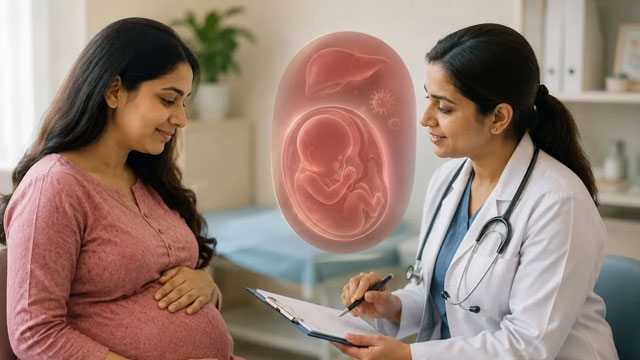
The analysis examined outcomes throughout the reproductive process, including oocyte maturation, fertilisation, embryo development, implantation, pregnancy, delivery and neonatal health.
After matching, maternal hepatitis B infection was not associated with significant differences in oocyte maturation, normal fertilisation, development of high-quality embryos or blastocyst formation.
Clinical pregnancy rates were also comparable between the two groups, at 44.44 per cent among women with hepatitis B and 45.43 per cent among those in the control group.
Similarly, the live-birth rate was 32.59 per cent in the hepatitis B group and 32.96 per cent in the control group.
Researchers found no significant differences in implantation, miscarriage, stillbirth or ectopic pregnancy rates. Pregnancy-related outcomes, including gestational hypertension, gestational diabetes, premature rupture of membranes and caesarean delivery, were also comparable between the groups.
However, preterm birth was significantly more common among women with hepatitis B. After matching, 15.73 per cent of births in the hepatitis B group were preterm, compared with 7.78 per cent in the control group.
The researchers said the reason for this association remains uncertain. Chronic inflammation, changes in the immune system and effects on placental development could potentially contribute to the increased risk. However, the study did not have detailed information on factors such as viral load, antiviral treatment and liver function.
The retrospective, single-centre nature of the study also means that the findings cannot establish that hepatitis B directly causes preterm birth.
The researchers said the findings provide reassurance that maternal hepatitis B infection may not substantially reduce the likelihood of successful IVF or ICSI treatment. At the same time, the higher rate of preterm birth highlights the need for further prospective research and may support closer obstetric monitoring of pregnancies affected by hepatitis B.