Daijiworld Media Network - New Delhi
New Delhi, Jul 16: The case of five women from Rajasthan's Kota suffering from postpartum kidney failure has drawn attention to a rare but potentially life-threatening complication that can occur after childbirth, with medical experts stressing that early diagnosis and timely treatment are crucial to improving outcomes.
The women have reportedly refused to continue dialysis and intensified their demand for kidney transplants. According to reports, their families have written to the President of India seeking permission for euthanasia if the government is unable to ensure timely treatment.
The move came after a 48-hour ultimatum issued to district authorities expired without any assurance of kidney transplants. Meanwhile, the New Medical College Hospital (NMCH) in Kota said all five women remain stable and continue to receive treatment.
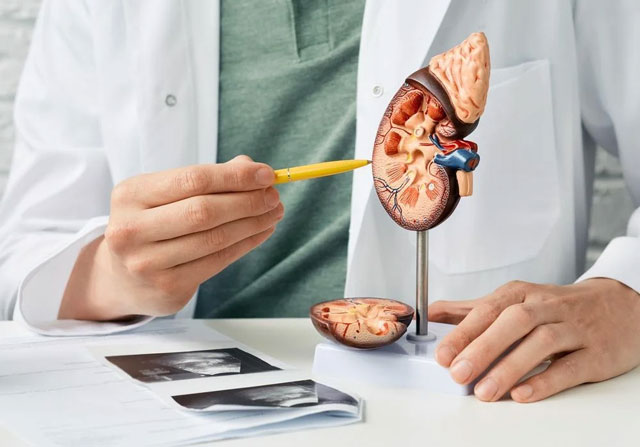
Medical experts said postpartum kidney failure, also known as acute kidney injury (AKI) after childbirth, is an uncommon but serious condition in which the kidneys suddenly lose their ability to filter waste products and maintain the body's fluid and electrolyte balance.
Dr Chintan P Gandhi, Nephrologist at Zynova Shalby Hospital, Mumbai, said the condition requires urgent medical attention and a multidisciplinary approach.
"Postpartum kidney failure is an uncommon yet severe condition that must be promptly treated with a multidisciplinary approach," Dr Gandhi said.
Experts cautioned that while fatigue and physical changes are common after childbirth, certain symptoms may indicate kidney dysfunction and should not be ignored.
According to Dr Gandhi, warning signs include passing significantly less urine than usual, swelling of the legs, feet or face, high blood pressure that does not improve after delivery, severe or persistent headaches, shortness of breath, extreme fatigue or weakness, and persistent vomiting.
"These symptoms shouldn't be considered a normal postpartum change," he said.
Dr Aman Gupta, Senior Consultant and Assistant Professor Lead, Kidney Transplant, Kidney Transplantation and Urology at Amrita Hospital, Faridabad, said early symptoms are often mistaken for normal post-delivery recovery.
He said new mothers experiencing a significant reduction in urine output, persistent swelling of the face or legs, breathlessness, uncontrolled blood pressure, blood in the urine, severe fatigue or altered consciousness should seek immediate medical attention.
"These are not routine postpartum complaints and require immediate evaluation for kidney function," Dr Gupta said.
Although postpartum kidney failure is rare, doctors said certain pregnancy-related complications can significantly increase the risk.
According to Dr Gandhi, severe preeclampsia, heavy bleeding during or after childbirth, serious infections such as sepsis and pre-existing chronic kidney disease are among the major risk factors. These conditions can reduce blood flow to the kidneys or directly damage kidney tissue, leading to acute kidney injury.
Doctors emphasised that postpartum kidney failure is a medical emergency because untreated kidney injury can rapidly worsen.
"Getting the diagnosis right in the initial phases and starting the appropriate treatments early makes a big difference not only in the outcome but also in reducing the possibility of irreparable kidney damage or the necessity of long-term dialysis," Dr Gandhi said.
Treatment depends on the underlying cause and may include intravenous fluids, blood pressure management, antibiotics in the presence of infection, dialysis and other supportive therapies. In severe cases where kidney function does not recover, a kidney transplant may eventually be required.
Medical experts said the Kota case serves as a reminder that serious complications can arise even after an otherwise successful delivery. They urged new mothers and their families not to ignore symptoms such as reduced urine output, persistent swelling, severe headaches, uncontrolled blood pressure, breathlessness or confusion, stressing that early recognition and prompt treatment can help preserve kidney function, reduce complications and improve the chances of recovery.