Daijiworld Media Network – New Delhi
New Delhi, Jul 16: Inner thigh chafing is a common yet often overlooked problem that affects many women, particularly during hot and humid weather, pregnancy, exercise, travel or even routine daily activities. While many silently endure the discomfort, dermatologists say the condition can be prevented and managed with the right skincare and clothing choices.
According to Dr Saguna Puttoo, Dermatologist at Apollo Clinic, inner thigh chafing occurs when the skin repeatedly rubs against itself or clothing. Heat, sweat and friction worsen the condition, especially in humid climates.
She explained that excessive sweating softens the skin, making it more susceptible to irritation, while non-breathable fabrics can trap moisture and aggravate the problem. In severe cases, the skin may crack, increasing the risk of infection.
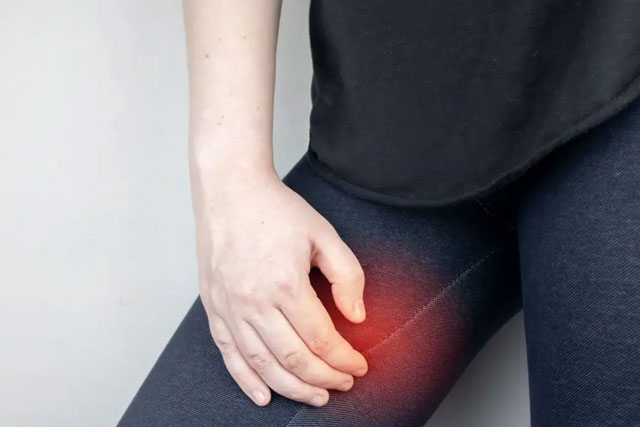
Dr Puttoo advised women not to ignore symptoms such as persistent redness, burning, cracked skin, prolonged irritation or an unpleasant odour, as these could indicate an infection requiring medical attention.
To reduce the risk of chafing, she recommends wearing breathable, moisture-wicking fabrics, choosing comfortable underwear that keeps the area dry, avoiding scented powders and moisturisers that may irritate the skin, and applying barrier creams such as zinc oxide to minimise friction. Ice packs can also help soothe irritated skin, although persistent symptoms should be evaluated by a doctor.
Meanwhile, Deepa Vari, Founder and Managing Director of Adira, said women's expectations from innerwear have evolved significantly. Beyond style, consumers now seek products that address practical concerns such as thigh chafing, excessive sweating, breast support and menstrual comfort.
She noted that innovations including anti-chafing shorts, longer innerwear and four-way stretch fabrics are helping improve comfort during daily activities.
When choosing innerwear, Vari recommends opting for breathable, quick-drying materials that effectively manage perspiration, soft waistbands that do not irritate the skin, flexible fabrics that allow unrestricted movement, adequate coverage for areas prone to friction and, most importantly, the correct fit.
Experts emphasise that while inner thigh chafing is rarely discussed openly, it can significantly affect daily comfort and wellbeing. Simple measures such as selecting functional innerwear and breathable clothing can go a long way in preventing the condition.