Daijiworld Media Network - New Delhi
Dhaka, Jul 13: Bangladesh recorded five more deaths linked to measles-like symptoms in the 24 hours ending 8 a.m. local time on Sunday, taking the combined total of confirmed and suspected measles-related fatalities to 758, according to the latest health data reported by local media.
Figures released by the Directorate General of Health Services (DGHS) showed that suspected measles deaths have increased to 664, while the number of laboratory-confirmed fatalities remains at 94, The Business Standard reported.
The country also registered 879 fresh suspected measles cases during the reporting period, pushing the cumulative number of suspected infections to 111,480.
Health authorities confirmed 90 additional measles cases through laboratory testing, raising the nationwide tally of confirmed infections to 13,500.
Since March 15, a total of 94,340 patients with suspected measles have been admitted to hospitals across Bangladesh. Of these, 90,605 have recovered and been discharged, according to DGHS data.
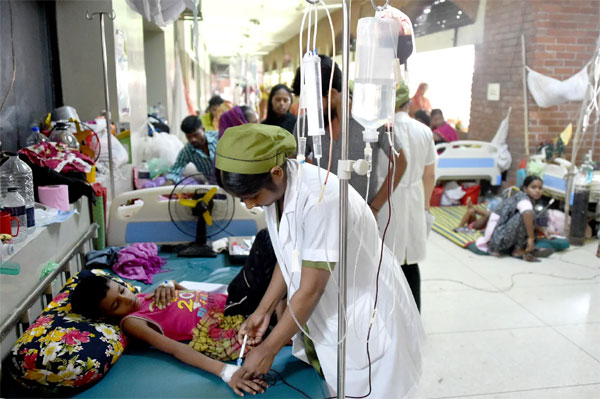
Bangladesh's healthcare system continues to face mounting pressure, with hospitals treating more than 900 measles patients each day. Medical experts have warned that the emerging rise in dengue infections during the monsoon season could further burden already stretched healthcare facilities and increase the risk of additional deaths.
Major government hospitals in Dhaka, which have historically managed large numbers of dengue patients during seasonal outbreaks, are currently dealing with a heavy influx of measles cases. Experts caution that a simultaneous surge in dengue could strain limited medical resources and disrupt patient care.
According to The Daily Star, dengue cases and deaths rose sharply in June, accounting for 48 per cent of all infections and 72 per cent of dengue-related fatalities reported in Bangladesh so far this year.
Public health specialists have warned that the situation could worsen in July and August, when monsoon conditions create ideal breeding grounds for Aedes mosquitoes responsible for spreading dengue.
Fazle Rabbi Chowdhury, Associate Professor in the Department of Internal Medicine at Bangladesh Medical University (BMU), said measles infections have begun to decline but at a slower pace than anticipated.
He noted that the ongoing monsoon has accelerated mosquito breeding, leading to a steady increase in dengue cases, which is expected to place additional stress on hospitals.
Health experts have urged authorities to intensify mosquito control measures, strengthen larval eradication programmes, establish temporary treatment centres, and create dedicated dengue wards to manage the simultaneous outbreaks and prevent a wider public health emergency.