Daijiworld Media Network - Kalyan
Kalyan, Jul 12: Concerns over smart electricity meters have intensified in the Kalyan-Dombivli region, with several residents alleging a steep rise in their monthly electricity bills despite no significant increase in power consumption. The issue mirrors protests being witnessed in different parts of the country against the rollout of smart meters.
Many consumers have demanded an independent technical audit of the newly installed meters, claiming their bills have increased three to five times after the replacement of conventional meters. However, the Maharashtra State Electricity Distribution Company Limited (MSEDCL) has rejected allegations of faulty billing, attributing the higher charges to increased electricity usage during the unusually hot summer and the greater accuracy of smart meters.
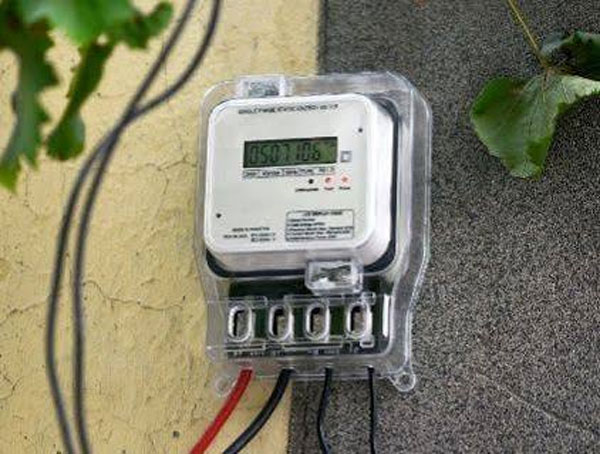
Residents of Runwal Gardens in Dombivli said their monthly bills, which earlier ranged between Rs 2,000 and Rs 2,500, have now risen to between Rs 8,000 and Rs 10,000.
One resident said his electricity bill increased from around Rs 3,000 in February to Rs 14,000 in April after installing an air-conditioner. Although the family subsequently reduced its AC usage, the June bill reportedly climbed further to Rs 17,000.
Another resident said his usual monthly bill of about Rs 800 surged to nearly Rs 10,000 after renting out his house, even though his tenant maintained that electricity consumption had not increased significantly.
Several other residents have also reported similar experiences, claiming their summer electricity bills have risen far beyond previous years and demanding that conventional meters be reinstalled until the issue is resolved.
The debate over smart meters has been growing since their rollout began in parts of Mumbai in 2024. During the recent Maharashtra Assembly session, the state government responded to more than 11,000 complaints from Pune, stating that there was no evidence linking higher electricity bills directly to smart meters.
However, residents in Kalyan-Dombivli using both smart and conventional meters have complained of unusually high bills this summer, indicating that the issue extends beyond meter replacement alone.
The controversy has also taken a political turn. Political parties, including the ruling Shiv Sena in the Kalyan-Dombivli region, have organised protests demanding that the installation of smart meters be suspended until consumer grievances are addressed. In some areas, installation teams have reportedly faced resistance and alleged assaults during the rollout.
The issue gained further attention last week when a consumer allegedly attempted self-immolation at the MSEDCL office in Vasai after receiving an electricity bill of around Rs 14,000 following the installation of a smart meter. Officials present at the office intervened and prevented the incident.
Defending the smart meter programme, MSEDCL officials said electricity demand rose sharply due to prolonged high temperatures, resulting in greater use of cooling appliances such as air-conditioners, refrigerators and coolers.
Officials also stated that many ageing electromechanical meters had slowed over time and were under-recording actual electricity consumption. According to the utility, smart meters provide more precise readings by capturing even low levels of electricity usage that older meters often failed to register.
The utility added that investigations into several complaints revealed defective internal wiring and electricity leakages within consumers' premises, which also contributed to higher consumption.
Kalyan Division Chief Engineer C.R. Mishra said departmental data did not support allegations that smart meters alone were responsible for higher bills.
According to MSEDCL, electricity consumption among 11.76 lakh consumers still using conventional meters increased by 28 per cent in June compared with the same month last year. Consumption among 5.53 lakh consumers whose conventional meters had been replaced with smart meters rose by 22 per cent, while 3.43 lakh consumers who already had smart meters before June 2025 recorded a 25 per cent increase in usage.
Mishra said that if smart meters were recording inflated readings, only consumers with those meters would have shown abnormal increases. He also noted that many middle-class households crossed the 300-unit monthly consumption threshold during the summer, automatically moving into higher tariff slabs and resulting in larger bills.
While consumer groups and activists continue to question the smart meter rollout and link it to the broader privatisation of electricity distribution, MSEDCL maintains that the technology ensures transparent billing based on actual consumption, enables consumers to monitor electricity usage in real time, helps detect power theft, and improves fault detection while reducing transmission losses.