Daijiworld Media Network - Washington
Washington, Jun 6: US agricultural authorities have confirmed a second case of the New World Screwworm (NWS) in Texas, raising concerns over the return of a pest that was eradicated from the United States decades ago.
The latest detection was reported in a one-month-old calf in Zavala County, just a few kilometres from the location where the first case in decades was identified earlier this week. The initial case involved a three-week-old calf and marked the pest’s first confirmed appearance in the country in many years.
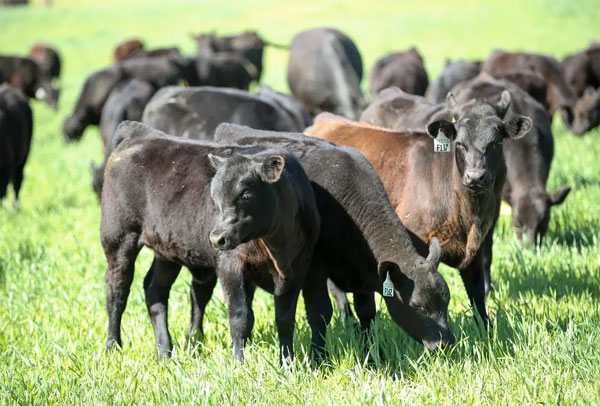
The New World Screwworm is a highly destructive parasite whose larvae infest open wounds in animals, feeding on living tissue and causing serious injury. While livestock are the primary victims, pets, wildlife and, in rare cases, humans can also be affected.
In response, the US Department of Agriculture (USDA) has launched an aggressive containment and eradication effort in coordination with Texas authorities. Emergency teams from the Animal and Plant Health Inspection Service (APHIS) have been deployed to the affected area, supported by mobile response units and expanded surveillance operations.
A key component of the strategy involves the release of sterile screwworm flies to disrupt breeding cycles and suppress the pest population. Authorities said millions of sterile flies are being released each week through aerial and ground-based operations across the region.
Movement restrictions have also been imposed in designated control zones around the affected sites, while veterinary treatment supplies are being distributed through the Texas Animal Health Commission to assist livestock owners.
US Secretary of Agriculture Brooke Rollins said federal and state agencies are fully implementing emergency measures to prevent the parasite from spreading further. Officials are also increasing trapping activities along the US-Mexico border and strengthening wildlife monitoring efforts to detect any additional cases.
Although the New World Screwworm was eliminated from the United States decades ago through a successful eradication programme, the parasite continues to exist in parts of South America. In recent years, it has gradually expanded its range northward through Central America and Mexico, prompting heightened vigilance among US agricultural authorities.
Officials said monitoring and containment efforts will continue as investigators assess the extent of the outbreak and work to prevent the pest from becoming re-established in the country.