Daijiworld Media Network - Los Angeles
Los Angeles, May 30: At a time when film studios are increasingly investing in large-scale franchises and big-budget spectacles, a low-budget independent horror film has emerged as one of Hollywood’s biggest success stories of 2026.
Obsession, directed by YouTuber-turned-filmmaker Curry Barker and starring Michael Johnston and Inde Navarrette, has reportedly grossed nearly $80 million worldwide within two weeks of release against a production budget estimated at just $750,000 to $1 million (around Rs 6-8 crore).
Industry observers estimate the film could soon cross the $100 million mark globally, making it one of the most profitable films of the year in terms of return on investment.
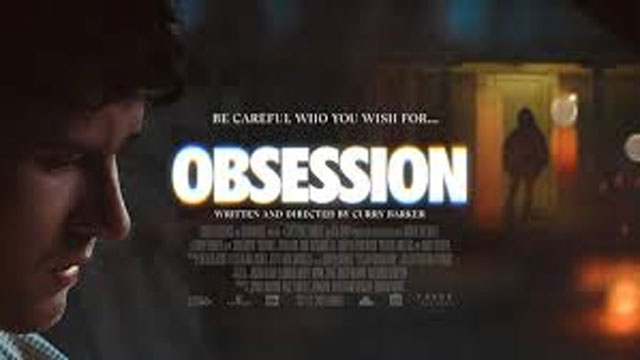
Unlike many contemporary blockbusters, Obsession was not backed by a franchise, cinematic universe or major stars. Its success has largely been attributed to strong word-of-mouth publicity and audience interest in its concept-driven storytelling.
The film's performance has reignited discussions about the growing dominance of high-budget productions in both Hollywood and Bollywood and the shrinking space for mid-budget cinema.
For years, Bollywood successfully balanced commercial entertainment with concept-driven films such as Kahaani, Queen, Vicky Donor, Andhadhun, Tumbbad and Stree, all of which combined modest budgets with strong storytelling and commercial success.
In contrast, recent years have seen increasing emphasis on large-scale productions. Films such as RRR and several recent mega-budget releases have achieved significant box-office success but required enormous investments and recovery targets.
The success of Obsession has also drawn comparisons with the business model of Blumhouse Productions, which has built a reputation for producing low-budget horror films with strong commercial returns.
Notable examples include Paranormal Activity, which was produced on a tiny budget and went on to become a global phenomenon, and Get Out, directed by Jordan Peele, which earned widespread critical acclaim and substantial box-office returns.
Analysts note that low-budget films carry lower financial risk while allowing filmmakers greater freedom to experiment with new ideas and genres.
The discussion is also relevant to the Indian film industry, where ambitious projects such as Toxic and Ramayana are being mounted on a massive scale to appeal to domestic and international audiences.
While such projects demonstrate the growing global ambitions of Indian cinema, industry experts argue that long-term sustainability also depends on nurturing medium-budget films that provide opportunities for new filmmakers, writers and actors.
Recent successes in the horror-comedy genre, particularly those backed by production houses focusing on rooted storytelling and strong concepts, have reinforced the belief that audiences continue to respond positively to original narratives regardless of budget size.
The unexpected success of Obsession has once again highlighted a simple industry lesson: strong ideas and engaging storytelling can sometimes deliver results that rival, or even surpass, those achieved by much larger productions.