Daijiworld Media Network - Washington
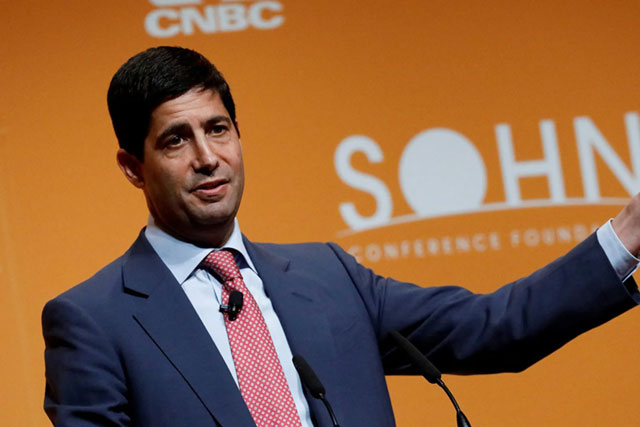
Washington, May 25: With Kevin Warsh taking charge as the new head of the Federal Reserve, attention has shifted to how President Donald Trump will navigate economic challenges that he had earlier blamed on former Fed Chair Jerome Powell.
Warsh’s appointment marks a major shift in US economic policymaking, with Trump now directly associated with the performance of the central bank and the broader economy.
At a White House swearing-in ceremony attended by cabinet members, Supreme Court justices and senior advisers, Trump publicly backed Warsh and urged him to “do your own thing and do a great job”.
“Kevin understands that when the economy is booming that is a good thing... we want it to boom... We don’t want to see it stifled,” Trump said.
The transition comes at a politically sensitive time as the US heads towards midterm congressional elections amid rising concerns over inflation, interest rates and affordability.
Recent surveys showed consumer confidence weakening sharply, including among independent voters and Republicans, despite Trump returning to office on promises to reduce prices and improve affordability.
The average interest rate on 30-year home mortgages has reportedly climbed above 6.5 per cent, reaching a nine-month high and continuing to impact the housing market.
Inflation has also accelerated, with the Fed’s preferred inflation gauge rising from 2.3 per cent annually in March 2025 to 3.5 per cent. Fuel prices have increased significantly as well, with average gasoline prices touching 4.55 US dollars per gallon following escalating tensions involving Iran.
Analysts believe the economic situation could pose challenges for Trump and the Republican Party ahead of the midterms.
Richard Stern of the conservative Advancing American Freedom said Powell had served as a convenient target for Trump in the past.
“Powell was a really great scapegoat for Trump for issues that had nothing to do with Powell. Now it’s going to be Trump’s economy,” Stern said, adding that affordability concerns and price increases may persist for years regardless of policy changes.
Warsh, 56, previously served as a Fed governor between 2006 and 2011 and has since remained active in finance and economic policy circles. His mentors reportedly included economist Milton Friedman and former US Secretary of State George Shultz.
Despite taking over as chair, Warsh faces the challenge of leading a divided Federal Reserve system that includes seven governors and 12 regional Federal Reserve bank presidents involved in policy discussions.
Unlike Powell’s consensus-driven style, Warsh has indicated he favours more open debate within the Fed and is willing to allow policy decisions that may surprise financial markets.
Recent Federal Reserve meetings have already reflected growing divisions, with the April meeting recording the highest number of dissents in more than three decades.
Minutes from the meeting showed that many officials believe interest rates may need to rise further to control inflation — a move that could conflict with Trump’s preference for lower rates and stronger growth.
Investors have already reacted to the inflation outlook, with yields on long-term US government bonds rising, increasing borrowing costs for consumers and businesses.