Daijiworld Media Network – New Delhi
New Delhi, Apr 22: A simple smell test could help identify the risk of Alzheimer’s disease years before memory problems appear, experts say, as growing research points to changes in the sense of smell as a possible early warning sign.
Neurologists say subtle difficulty in recognising or distinguishing familiar odours may reflect early changes in brain function linked to Alzheimer’s, potentially offering a low-cost and non-invasive screening tool.
Dr Vinit Banga, Director and Head of Neurology at Fortis Hospital, Faridabad, said the idea has been gaining attention in medical research.
“Changes in the ability to smell may indicate the disease even years before memory problems begin,” he said.
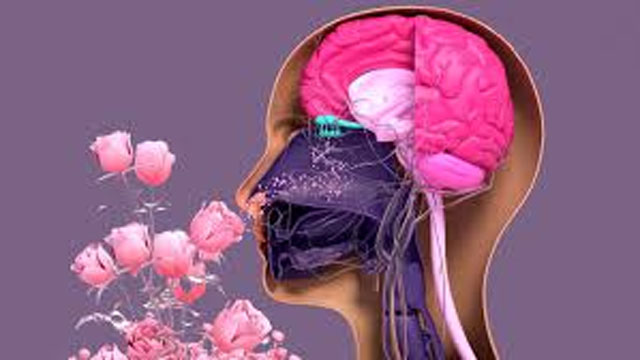
Researchers say the sense of smell is closely connected to brain regions such as the hippocampus, which plays a critical role in memory and learning. Studies have suggested that impairments in odour detection may emerge in the early stages of Alzheimer’s.
According to findings published in medical journals, people who perform poorly on smell identification tests may face a higher risk of developing cognitive impairment later in life.
These tests typically involve identifying common scents such as coffee, lemon or rose. Difficulty recognising such familiar smells may indicate early neurological changes.
Experts say the tests are simple to administer, inexpensive and could potentially be used widely as a screening method, including outside specialised hospital settings.
Early identification of at-risk individuals could help enable timely intervention, lifestyle changes and closer monitoring, which may help slow disease progression.
However, doctors caution that smell tests are not a definitive diagnostic tool and should not be used in isolation.
Factors such as ageing, smoking, sinus conditions and other neurological disorders can also affect the sense of smell, making broader clinical evaluation necessary.
Experts say smell tests should be used alongside cognitive assessments, brain imaging and other medical evaluations for a more accurate diagnosis.
While more research is needed to standardise their use, scientists say the findings open the door to simpler methods of detecting Alzheimer’s risk earlier than traditional symptom-based diagnosis.