

Introduction
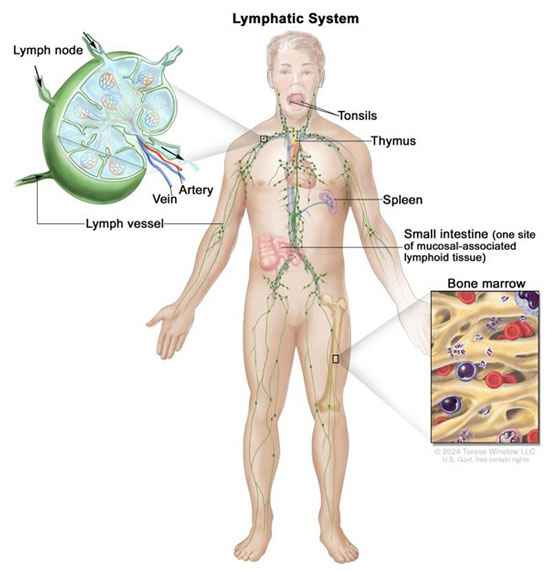
Lymphoma is a form of cancer that starts in the lymphatic system, which is a key component of the immune system in the body. It influences the lymphocytes or white blood cells that are involved in combating infections.
Even though lymphoma is a severe disease, the development of medical science has turned it into a treatable disease, particularly when it is detected at an early stage and treated using the appropriate medical procedure.
Types of Lymphoma
Two broad categories of lymphoma are:
Hodgkin Lymphoma
This type is determined by the presence of Reed-Sternberg cells. It can be said to be one of the more curable types of cancer, especially when it is detected early enough.
Non-Hodgkin Lymphoma
Non-Hodgkin lymphoma is more prevalent and comprises a broad spectrum of subtypes. There are those forms that develop gradually, and others are aggressive and need urgent treatment.
Typical Lymphoma Symptoms.
The lymphoma symptoms may also change according to the type and the stage of the disease. Common signs include:
- Neck, armpit, or groin swollen lymph nodes.
- Persistent fatigue
- Fever and chills
- Night sweats
- Unexplained weight loss
- Itchy skin
Early stages of these symptoms are usually mild,d making diagnosis difficult. It is necessary to consult a doctor in case of continued symptoms.
Causes and Risk Factors
Not all cases of lymphoma are known to be caused, but several factors can predispose to the disease:
- Weakened immune system
- Viral infections (e.g., Epstein-Barr virus).
- Increasing age
- Lymphoma history in the family.
- Exposure to some chemicals or radiation.
The knowledge of these risk factors can be used to prevent and detect them at an early stage.
Stages of Lymphoma
Lymphoma is divided into stages depending on its level of dispersion:
- Stage I: The cancer has not spread to other areas besides a lymph node.
- Stage II: Two or more lymph node areas on the same side of the diaphragm.
- Stage III: Both sides of the diaphragm: Lymph nodes are involved.
- Stage IV: The cancer has metastasized to other body parts, such as the liver or bone marrow.
The lymphoma at an early stage is normally easier to treat, and the prognosis is better.
Diagnosis of Lymphoma
Lymphoma diagnosis entails a set of tests to identify the condition and its stage:
- Lymph node biopsy
- Blood tests
- Radiographic studies, such as a CT or PET scan.
- Bone marrow examination
The most conclusive way of diagnosing lymphoma is the use of a biopsy.
Treatment Options
The treatment is dependent on the kind and the stage of lymphoma. Treatment techniques are commonly:
- Chemotherapy: It involves the use of drugs to kill cancer cells.
- Radiation Therapy: Directs radiation on particular areas.
- Immunotherapy: Assists the immune system in combating cancer.
- Targeted Therapy: Attacks particular cell mechanisms of cancer.
- Stem Cell Transplant: Replaces damaged bone marrow.
A personalized treatment plan is essential for effective recovery.
Advanced Treatment at Liv Hospital
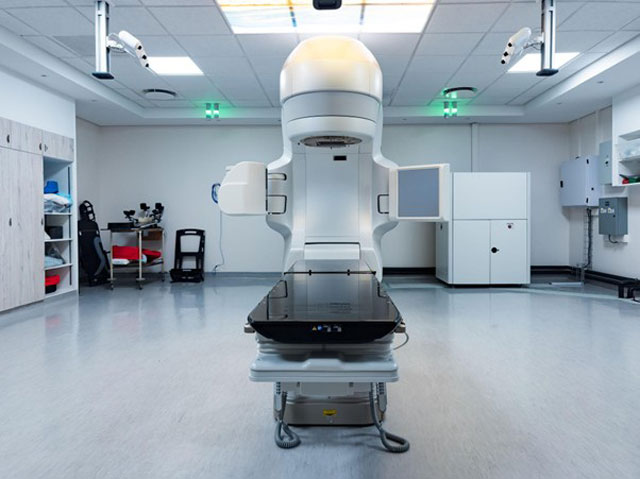
Liv Hospital provides high-quality oncology with a personalized approach. The hospital has the latest diagnostic equipment and a multidisciplinary team of experts who work together to deliver holistic care.
Key highlights include:
- State-of-the-art diagnostic and imaging.
- Customized treatment plans
- Experienced oncology specialists
- Specialized care of foreign patients.
These facilities are significant to enhance the results of treatment and the experience of patients.
Conclusion
Lymphoma is a disease that is not easy to cure, but it can be cured, especially when it is diagnosed early. The knowledge of its symptoms, causes, and possible ways of treatment can greatly enhance the success of the recovery.
Nowadays, due to the development of medical care and the availability of specialized facilities such as Liv Hospital, people with illnesses have more opportunities to treat their diseases than ever before. Timely diagnosis, knowledgeable choice and effective medical treatment are the most important aspects of the lymphoma treatment.