Daijiworld Media Network – Panaji
Panaji, Mar 8: The Government of Goa’s proposed Deposit Refund Scheme (DRS) aimed at improving waste management in the state is likely to face delays after waste management groups and industry stakeholders raised concerns about its effectiveness.
The scheme, which was scheduled to be implemented from April 1, proposes adding a refundable deposit ranging from Rs 2 to Rs 10 over the maximum retail price (MRP) of consumer goods sold in non-biodegradable packaging. Consumers would receive the deposit back after returning empty containers to designated collection centres.
However, the Goa Waste Management Association has urged the government to postpone the rollout until the scheme is revised.
Speaking to reporters, the association’s chairman Clinton Vaz said the DRS in its current form would have limited impact on reducing litter along roadsides and public places in the state.
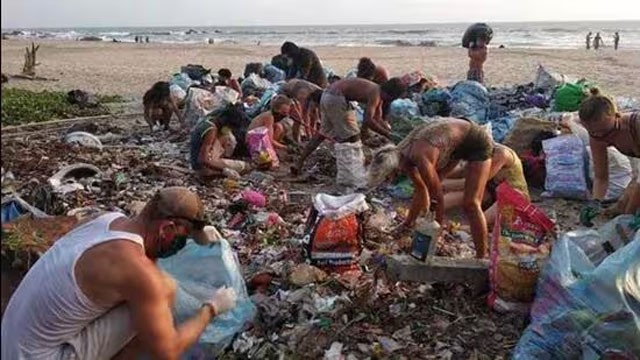
The association, whose members handle waste collection in nearly 60 villages across Goa, conducted an independent assessment of garbage from ten of the state’s most littered locations. The study found that about 50 per cent of the waste consists of non-recyclable materials such as cloth and rubber, which are not included under the proposed scheme.
Another 20 per cent of the waste was organic, while recyclable items covered under the DRS—such as glass bottles, aluminium cans, multi-layered plastics and tetra packs—accounted for only around 9 per cent of the garbage found in public areas.
“The scheme is expected to bring behavioural change and encourage people to dispose of waste responsibly. However, our study shows that the categories covered under the DRS are already largely being disposed of correctly,” Vaz said.
He added that the main sources of roadside litter include single-use plastic bags, food waste, diapers, cloth, rubber and bulk waste from events, which are currently not covered by the scheme.
The association’s vice-president Baylon Gomes said the government should postpone the scheme for three to six months to address these concerns and expand the list of waste categories included in the programme.
According to the government’s plan, the DRS will be implemented in two phases. The first phase will cover alcohol sold in glass bottles, followed by beverages sold in aluminium cans and PET bottles. The second phase will include multi-layered plastic packaging and tetra packs.
Officials from the state’s Goa Department of Environment acknowledged that the rollout may be delayed slightly while consultations with stakeholders continue.
“We are in touch with stakeholders and may revise the timeline by a few months. However, the infrastructure for the scheme is already being prepared,” a government official said.
Supporters of the scheme argue that it could help reduce the problem of discarded glass liquor bottles along Goa’s beaches, which often break and pose a risk to visitors.
Under the scheme, waste pickers could earn significantly more for collecting recyclable materials. For instance, 50 PET bottles that currently fetch around Rs 18–20 per kg could earn up to Rs 250 when returned through the deposit system.
However, representatives of the Alcobev Retailers Association have also raised concerns about the lack of awareness and clarity regarding implementation.
Retailer Hansel Vaz said shop owners have not yet received clear instructions on how to charge the additional deposit or incorporate it into billing systems.
Goa currently generates around 800 tonnes of municipal solid waste every day, with nearly 45 per cent being non-biodegradable. The state’s per-capita plastic waste generation is about 22 kilograms annually, significantly higher than the national average of 15 kilograms, a figure that rises further during peak tourist seasons.