Daijiworld Media Network - Syria
Syria, Jan 27: The withdrawal of the Kurdish-led Syrian Democratic Forces (SDF) from the northeastern cities of Raqqa and Deir Az Zor has triggered sharply contrasting reactions among local communities, with celebrations in Arab-majority areas and deep anxiety in Kurdish regions.
Following the SDF’s announcement on January 18 that it would pull out from Raqqa and Deir Az Zor, videos surfaced showing residents celebrating the return of Syrian government control. Arab residents described the move as a relief from what they said were years of repression and forced conscription fears under the SDF.
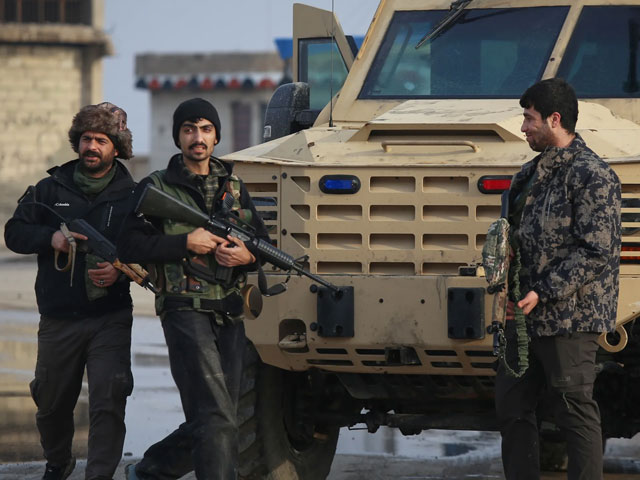
However, in Kurdish-majority areas of northeast Syria, the mood has been dominated by fear, as residents worry about military incursions and a possible repeat of past sectarian violence witnessed elsewhere in the country. Community representatives said memories of previous attacks, displacement and abuses have left the Kurdish population deeply unsettled.
After the fall of the Bashar al-Assad regime in December 2024, the SDF had controlled much of Syria’s resource-rich northeast. Talks with President Ahmed al-Sharaa’s government on integrating the region and SDF fighters into state structures stalled, and a renewed government offensive, backed by tribal alliances and shifting US support, forced the SDF into retreat.
A new agreement reached on January 18 reportedly favours Damascus, providing for individual integration of SDF fighters into the Syrian army. Analysts said the deal underscored the government’s strengthened position on the ground.
While many residents in Raqqa and Deir Az Zor welcomed the Syrian army’s advance, Kurdish areas such as Kobane and Hasakah have seen large-scale displacement amid clashes, service cuts and harsh winter conditions. The United Nations has reported that more than 134,000 people have been displaced in Hasakah province alone.
The Syrian government has sought to reassure minorities, insisting it is pursuing a political solution rather than a purely military takeover and pledging to protect Kurdish rights. However, local groups and residents say fears remain high, stressing that restoring services, allowing humanitarian access and ensuring civilian protection are crucial to preventing a deeper humanitarian crisis in the region.
b