Daijiworld Media Network - Chennai
Chennai, Jan 20: Tamil Nadu Governor R N Ravi on Tuesday once again declined to deliver the customary Governor’s address and walked out of the State Legislative Assembly on the opening day of the first session of the year, sparking a fresh confrontation between Raj Bhavan and the ruling establishment.
As the House assembled, Speaker M Appavu urged the Governor to follow established constitutional conventions and read only the address approved by the State government. Amid protests from the treasury benches, the Speaker asserted the primacy of legislative procedure, stating that only elected members had the right to express opinions in the House.
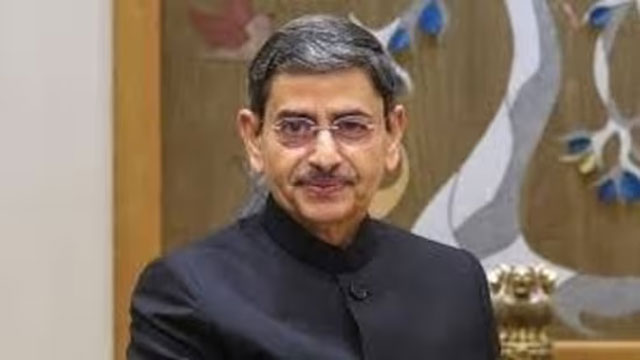
Responding from the well of the Assembly, Governor Ravi termed the developments “unfortunate” and expressed displeasure over the proceedings. He alleged that the National Anthem was not accorded due respect and claimed that his microphone was repeatedly switched off. Shortly thereafter, he walked out of the House without completing or formally delivering the address.
Following the walkout, Raj Bhavan issued a statement explaining the Governor’s stand. The release alleged that he was not allowed to speak and that the prepared address contained “numerous unsubstantiated claims and misleading statements,” while several concerns raised by him were omitted from the final text.
The statement also questioned the State government’s claim of attracting investments worth over Rs 12 lakh crore, alleging that many memorandums of understanding remained only on paper and that actual investments were far lower. It further claimed that Tamil Nadu, which was earlier the fourth-largest recipient of foreign direct investment, had now slipped to the sixth position.
Raj Bhavan also alleged that atrocities against Dalits and incidents of sexual violence against Dalit women were on the rise, but were not reflected in the address. “The National Anthem has once again been insulted and a fundamental constitutional duty disregarded,” the statement claimed.
The incident marks yet another chapter in the ongoing tussle between the Governor and the State government over constitutional propriety and governance issues.