Daijiworld Media Network - Tehran
Tehran, Jan 4: Iranians are once again facing internet disruptions amid widespread protests across the country, as authorities warn of foreign sabotage and step up security measures. Internet users have reported intermittent outages to home and mobile services since Thursday, with data from US-based cybersecurity firm Cloudflare indicating that Iran’s internet traffic dropped by around 35 per cent compared to previous days.
Iran has a history of restricting or slowing internet access during periods of unrest. Connectivity had nearly come to a standstill for several days in mid-June during heightened tensions with Israel and the United States. While the government has not directly linked the current slowdown to protests, Information and Communications Technology Minister Sattar Hashemi said Iran had thwarted one of the largest cyberattacks in recent memory on Sunday, which may have affected bandwidth.
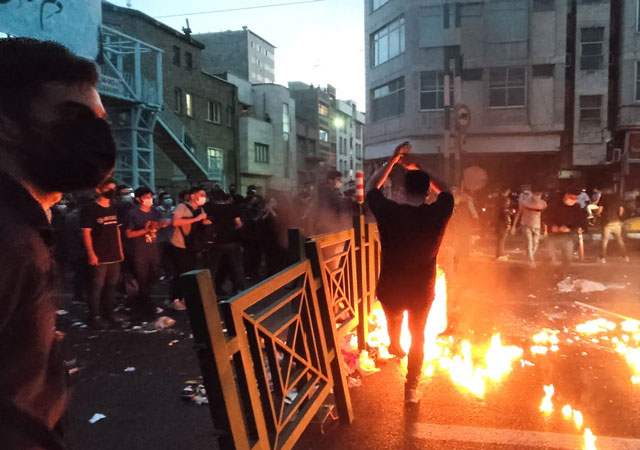
The protests, which began last Sunday among traders and shopkeepers in central Tehran, have since spread to several cities nationwide. At least 10 people have been reported killed during the demonstrations. Among them was a young business owner in Hamedan, a western city that has witnessed intense protests and heavy deployment of security forces. Local officials described his death as “suspicious” and blamed “enemies” for attempting to malign the authorities.
In Qom, a 17-year-old boy was shot dead, with security officials claiming “hostile elements” were responsible. Another individual allegedly linked to terrorist groups died after a grenade exploded in his possession. State media also reported that a veteran member of the Islamic Revolutionary Guard Corps (IRGC) was killed by armed assailants in Ilam province, with at least three deaths reported in Malekshahi.
Protests have also been confirmed in Lorestan province, where the IRGC announced the arrest of three alleged leaders of the recent unrest in Khorramabad. State television has aired purported confessions of detainees, claiming they were in contact with foreign agents.
Supreme Leader Ayatollah Ali Khamenei, addressing the nation on Saturday, blamed foreign influence and warned that “rioters must be put in their place.” His remarks followed an exchange of sharp statements between Iranian and US officials after US President Donald Trump said he would “come to the rescue” of Iranian protesters if they were killed.
President Masoud Pezeshkian, speaking later, criticised US policies, accusing Washington of double standards over human rights while backing Israel’s actions in Gaza. Meanwhile, Iranian authorities organised large pro-government gatherings in Tehran and other cities, coinciding with a religious holiday and the anniversary of the killing of former IRGC commander Qassem Soleimani.
Many businesses, schools, universities and government offices have remained closed since midweek, officially due to cold weather and power management, though protests have continued. Student demonstrations have also been reported at several universities in Tehran, with claims of detentions.
Iran’s unrest comes against the backdrop of prolonged economic hardship, high inflation nearing 50 per cent, and years of sanctions imposed since 2018. In a recent move, the government dismissed the central bank chief amid mounting pressure, underscoring the economic strain fuelling public anger.